
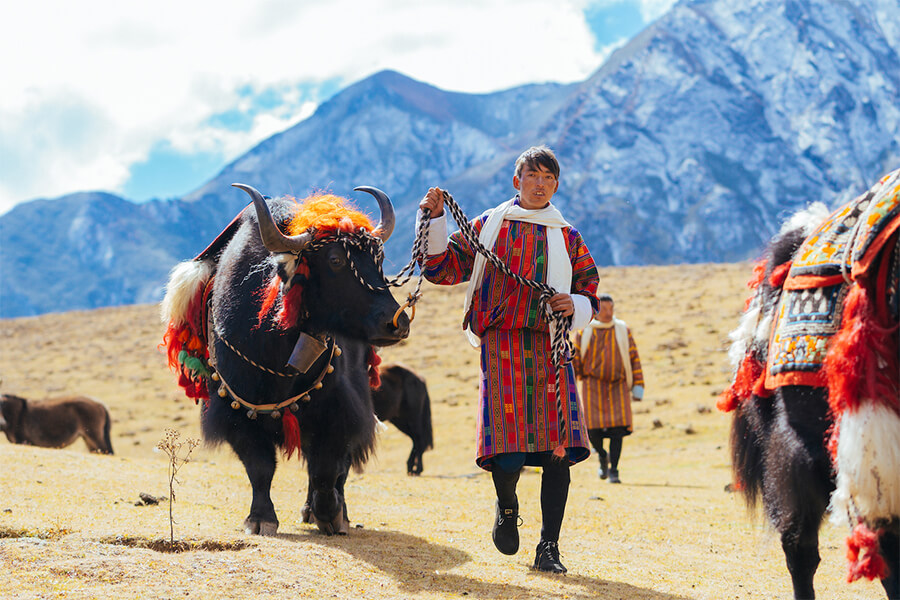
Thimphu, the capital of Bhutan, lies in a high-altitude valley surrounded by towering Himalayan peaks. Because of its elevation of around 2,300 meters (7,500 ft), the city experiences a crisp mountain climate that varies strongly by season. Whether you’re planning cultural sightseeing, photography, festivals, or Bhutan tours, understanding thimphu weather is essential for preparing the right clothing, timing your trip, and maximizing your experience.
Unlike many Asian capitals with tropical or subtropical climates, bhutan thimphu weather is shaped by both altitude and the Himalayan monsoon. Winters are cold and dry, while summers bring rainfall, lush greenery, and misty mornings. Many travelers are surprised to learn that even summer evenings can be chilly, and winter sunshine can feel warm despite low temperatures.
With years of travel planning experience and countless visits to Bhutan, this comprehensive month-by-month guide explains what to realistically expect from weather thimphu bhutan, offers insider tips on what to pack, and highlights the best seasons for specific activities. Whether you're coming for the famous Thimphu Tshechu festival, scenic hikes, or a relaxed exploration of Bhutanese culture, understanding Thimphu Bhutan weather will help you plan the perfect journey.
Monthly Guide to Weather in Thimphu Bhutan
Thimphu Weather in January
January marks the peak of winter in Bhutan. Thimphu weather during this time is cold, with average temperatures ranging from around -4°C to 9°C. Mornings are frosty, and snow occasionally falls in the city, while higher valleys receive heavier snowfall.
Travel insight: If you enjoy quiet streets, fewer tourists, and crisp mountain air, January is a peaceful month to explore monasteries and museums. Wear thermal layers, gloves, a woollen hat, and a down jacket. Roads can be icy in the early morning, so allow extra time for transfers.
Thimphu Weather in February
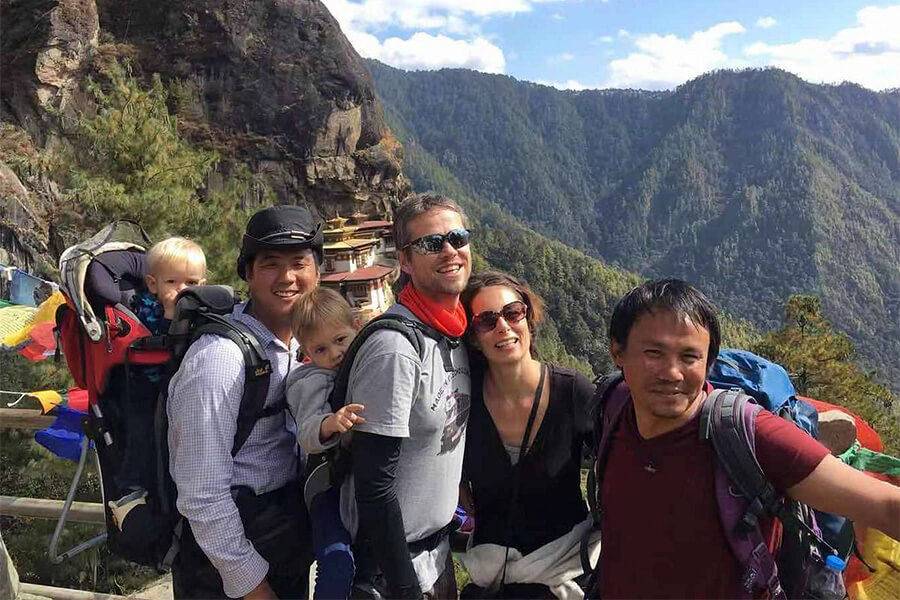
February remains cold but slightly milder than January. Bhutan thimphu weather typically stays between about -2°C and 11°C. Skies are often clear, offering excellent visibility of the surrounding mountains, especially early in the morning.
Travel insight: Sunshine makes daytime sightseeing comfortable, though evenings are still cold. It’s a good month for photographers who love bright winter skies and long shadows. Pack lip balm and moisturizer; the air can be dry at altitude.
Thimphu Weather in March
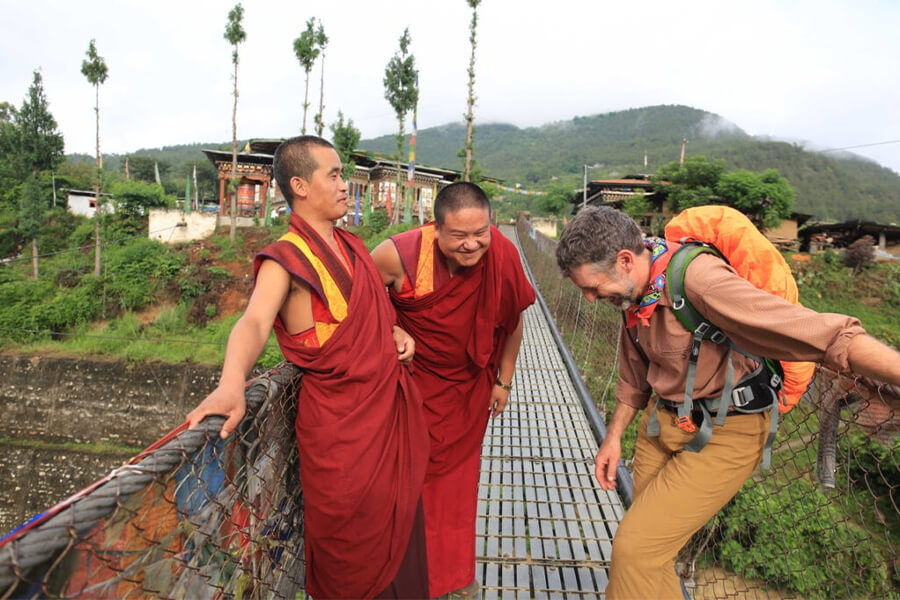
March welcomes the beginning of spring. Temperatures rise to roughly 2°C–15°C, and blooming flowers begin to decorate the valleys and hillsides. Weather thimphu bhutan in March is generally dry, refreshing, and perfect for outdoor activities.
Travel insight: Trekking routes at lower elevations start opening. You may see early blossoms and greener slopes. Pack flexible layers: a light fleece, a windproof jacket, and comfortable walking shoes are ideal, as mornings can still be cool while afternoons feel pleasantly warm in the sun.
Thimphu Weather in April
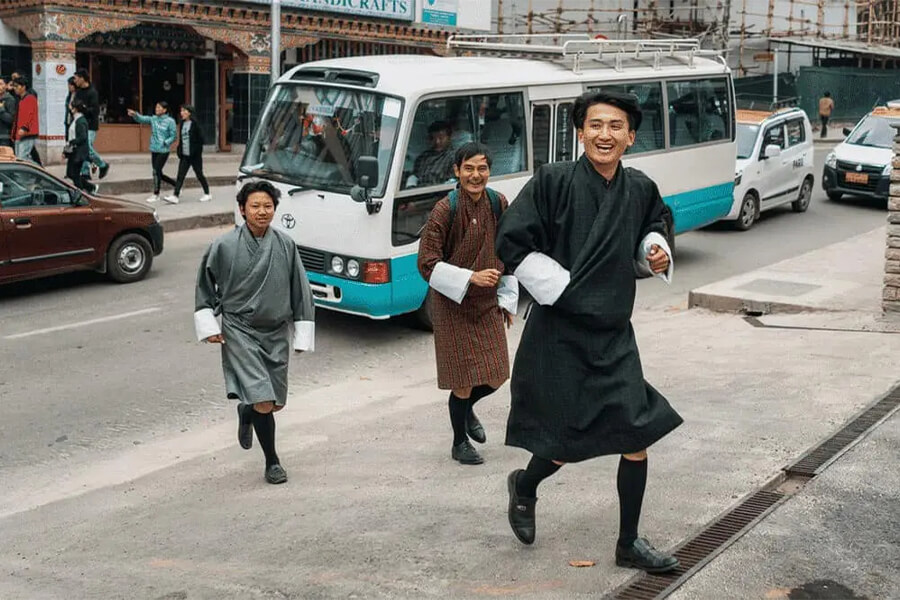
April is one of the most beautiful months of the year in Bhutan. Temperatures average about 6°C–18°C. Valleys are bright, sunny, and full of blossoms, with clear views across the mountains on many days.
Travel insight: This is a prime time for cultural sightseeing and day hikes. Thimphu weather is comfortable for walking around the city, visiting monasteries, and driving to nearby viewpoints. A light jacket is still needed during early mornings and late evenings, but during the day you may sometimes be comfortable in just a shirt or thin sweater.
Thimphu Weather in May
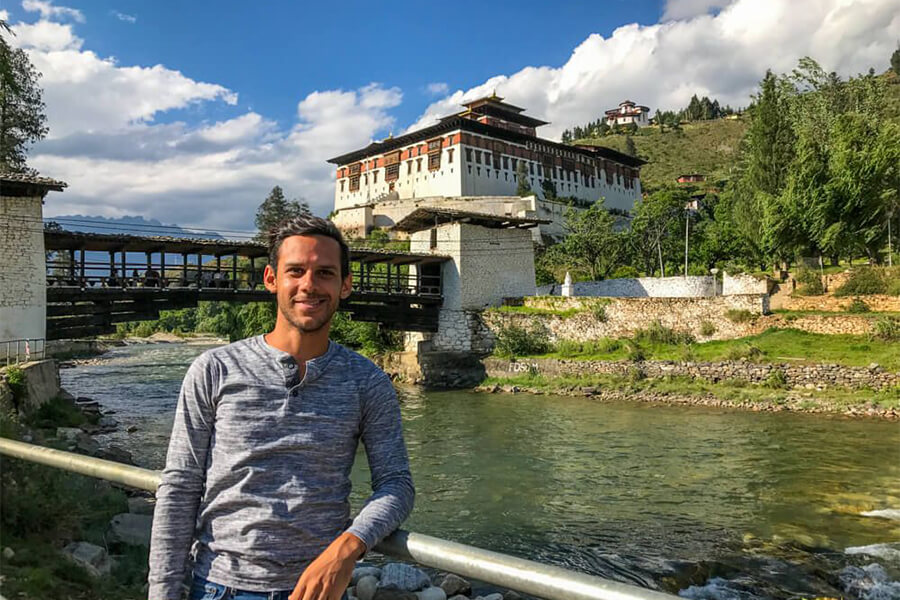
May is warm and increasingly humid as the summer monsoon approaches. Thimphu bhutan weather in May ranges from around 10°C to 21°C. Afternoons may feel warm in the sun, especially when you are walking or climbing steps, while nights remain cool and pleasant.
Travel insight: Expect occasional showers, especially later in the month. Nature becomes greener, making it a rewarding time for landscape photography. For comfort, bring a light rain jacket or travel umbrella and quick-drying clothing. This is a good shoulder season with fewer crowds than peak autumn.
Thimphu Weather in June
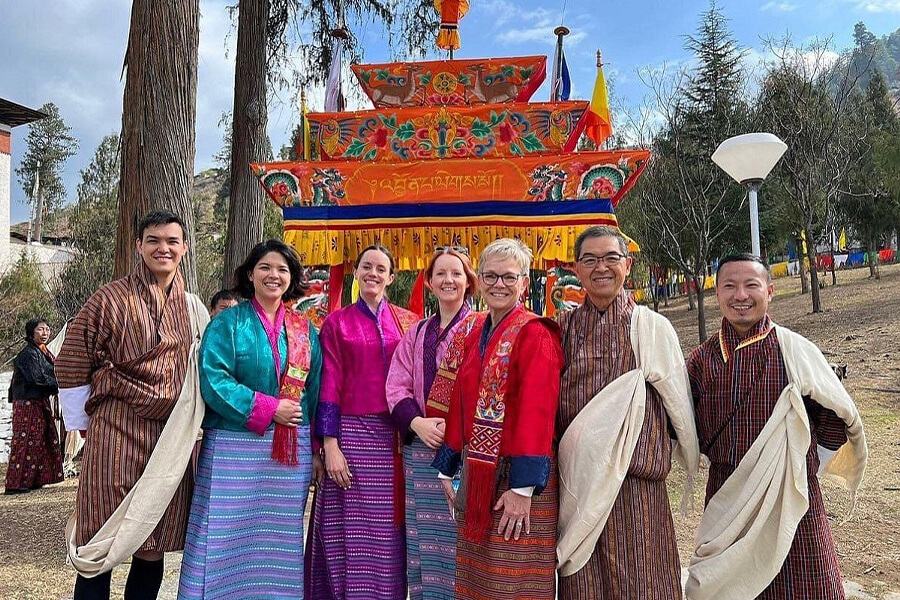
June marks the arrival of the Himalayan monsoon. Thimphu weather typically sees more frequent rainfall, with temperatures from roughly 13°C to 23°C. Misty hills and drifting clouds create an atmospheric mood, and valleys become lush and vividly green.
Travel insight: While showers are common, they rarely last all day. Carry a waterproof shell, a small backpack cover, and shoes with good grip. Roads may be wet and occasionally muddy on side tracks, but clear periods between showers can be wonderfully photogenic.
Thimphu Weather in July
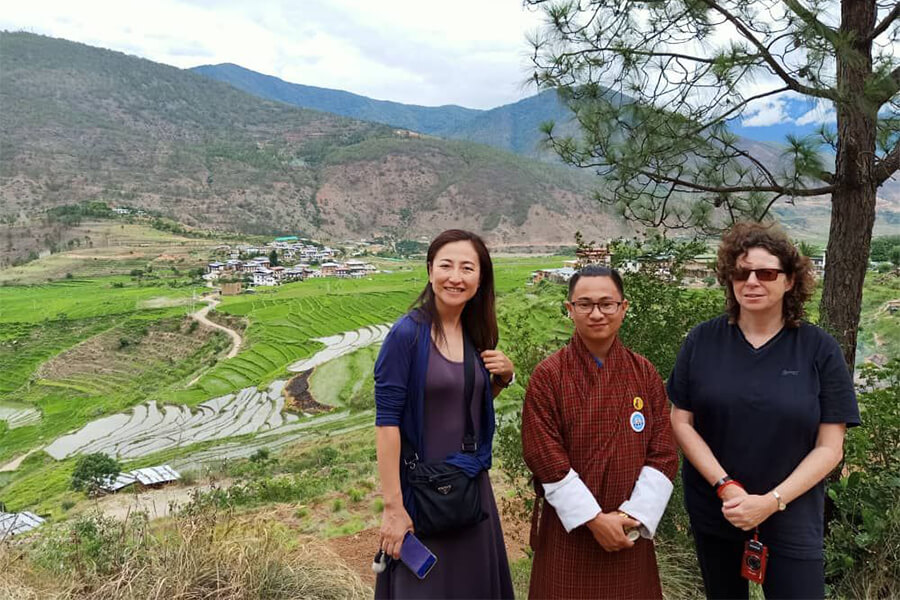
July is one of the rainiest months. Bhutan thimphu weather includes frequent showers, sometimes heavy, but also bright intervals when clouds part and the landscape shines. Temperatures stay mild at around 14°C–23°C.
Travel insight: This month suits travelers who enjoy peaceful nature and don’t mind adjusting plans around the rain. Carry quick-drying clothes, a rain jacket, and consider a light scarf or buff to protect against chilly breezes after rainfall. Crowds are thinner, and hotel availability tends to be better than in peak seasons.
Thimphu Weather in August
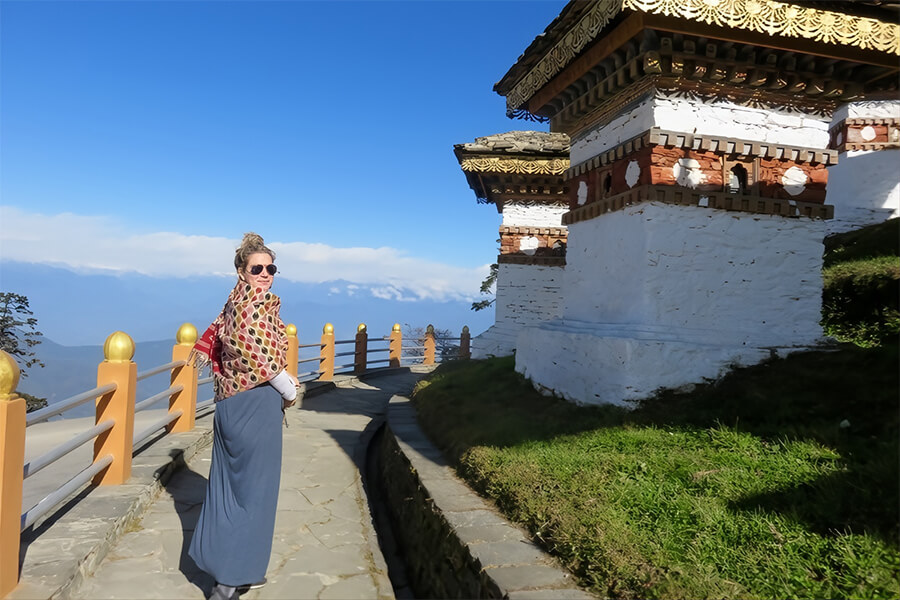
August continues the monsoon season. Weather thimphu bhutan in this period is wet and often misty, with average temperatures around 14°C–22°C. The valley, however, is at its absolute greenest, with rice paddies and forests in full colour.
Travel insight: This is a great time for slow travel - tea houses, cafés, museums, and relaxed cultural visits. Views of distant peaks may be clouded, but close-up landscapes, village scenes, and forested slopes are beautiful. A flexible itinerary works best so your guide can time outdoor activities between showers.

Thimphu Weather in September
September is a transition month and one of the best times to visit Bhutan. Rains start to decrease, and days become clearer. Temperatures range from about 12°C to 21°C, with comfortable daytime conditions and cool nights.
Travel insight: With cleaner air after months of rain, thimphu bhutan weather in September offers ideal conditions for trekking, cultural sightseeing, and festival visits. Trails are green and fresh, rivers run full, and the visibility is often superb. Light layers plus a thin rain jacket are usually sufficient.
Thimphu Weather in October
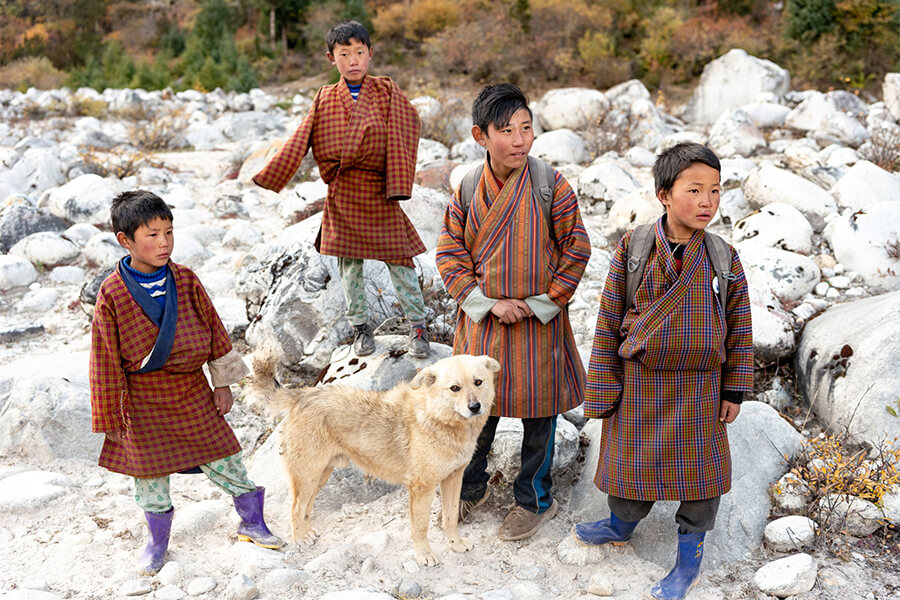
October is peak travel season in Bhutan. Thimphu weather is cool, sunny, and stable, typically ranging from around 8°C to 20°C. This is the month of deep blue skies, crystal-clear mountain views, and excellent trekking conditions.
Travel insight: October is ideal for major festivals such as Thimphu Tshechu and other regional celebrations. Because of the popularity of this season, flights and accommodations often sell out months in advance. Pack warm layers for mornings and evenings, along with sunglasses and sunscreen—sunlight can be intense at altitude.
Thimphu Weather in November
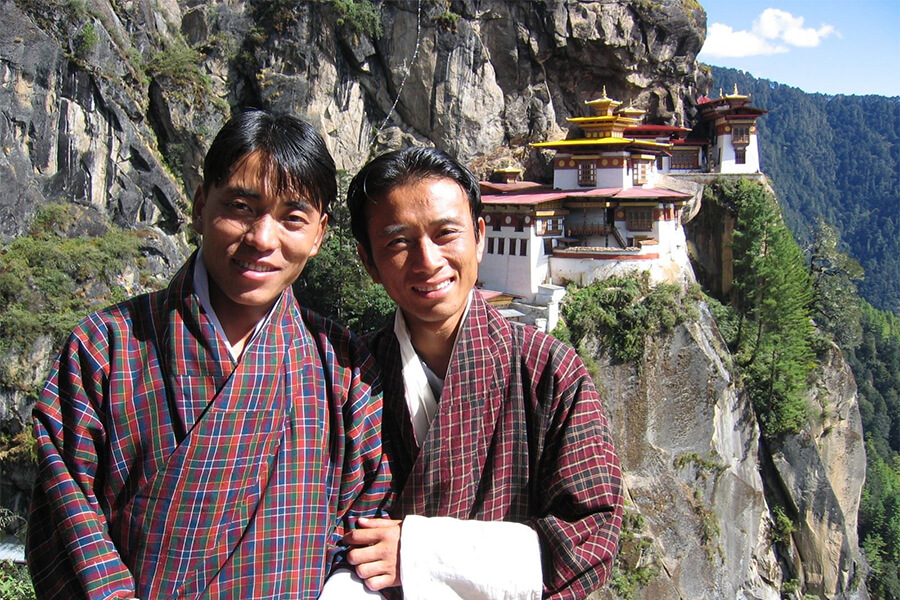
November marks the beginning of more winter-like conditions. Bhutan thimphu weather becomes dry and increasingly cold, with temperatures dropping to around 2°C–15°C. The air feels crisp, and trees at higher elevations may lose their leaves.
Travel insight: Days are bright but cool, making it a comfortable month for touring monasteries, markets, and cultural landmarks without the busyness of October. Nights are cold, so pack thermal layers, a hat, and warm socks. It’s an excellent time for those who enjoy clear air and fewer crowds.

Thimphu Weather in December
December is cold but usually calm and dry. Weather thimphu bhutan in December ranges roughly from -1°C to 12°C. Light snowfall is possible in late December, especially in higher surrounding areas, giving the landscape a quiet, wintry charm.
Travel insight: This month is perfect for travelers who value calm, reflective experiences over busy festival crowds. Holiday season moments in cafés and small hotels can feel cozy and intimate. Ensure you have proper cold-weather gear, including a warm jacket, gloves, and thermal base layers.
Best Time to Visit Thimphu Bhutan Weather
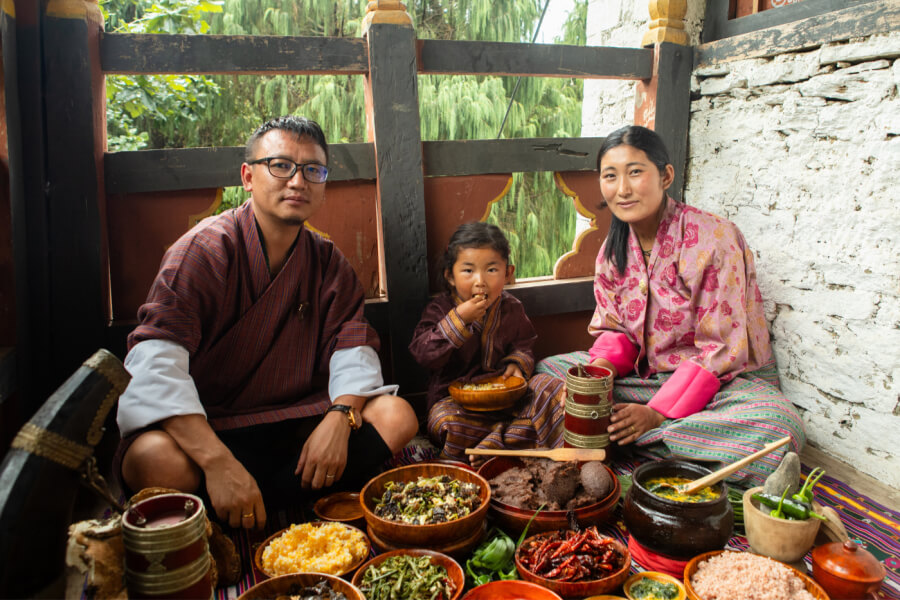
Choosing the best time to visit Bhutan Thimphu depends on your interests, but understanding thimphu bhutan weather across the year helps you match your expectations with reality. Here is a concise breakdown by season and travel style.
Best for Clear Skies & Festivals (September - November)
- Cool, stable conditions and excellent visibility.
- Ideal for trekking, landscape photography, and cultural touring.
- Peak festivals such as Thimphu Tshechu typically fall in this window.
- Plan and book well in advance due to high demand.
Best for Blossoms & Mild Climate (March - May)
- Gradual warming after winter, with comfortable daytime temperatures.
- Valleys turn green and flowers bloom, especially in April and May.
- Great for first-time visitors who want balanced conditions for walking and sightseeing.
- Fewer crowds than in the autumn peak, but still very pleasant thimphu weather.
Best for Peace & Green Landscapes (June - August)
- Lush scenery due to monsoon rains, with rich greens in every direction.
- Soft, misty light for photography when clouds lift.
- Fewer tourists, more flexibility in accommodations and pacing.
- Be prepared for rain; plan a mix of indoor and outdoor activities.
Best for Quiet Winter Experiences (December - February)
- Cold, crisp air with potential for light snow and very clear skies on sunny days.
- Excellent for contemplative visits to monasteries and dzongs without large crowds.
- Shorter days and colder evenings - ideal if you enjoy cozy hotels and quiet nights.
- Pack serious winter clothing to stay comfortable while exploring in the mornings and evenings.
In summary, a solid understanding of thimphu weather, informed by local experience and seasonal patterns, allows you to choose the right month for your style of travel. Whether you’re drawn by clear autumn skies, spring blossoms, monsoon greenery, or the hush of winter, planning your journey around reliable insights into bhutan thimphu weather and overall thimphu bhutan weather will help ensure a smooth, rewarding stay in Bhutan’s capital.