
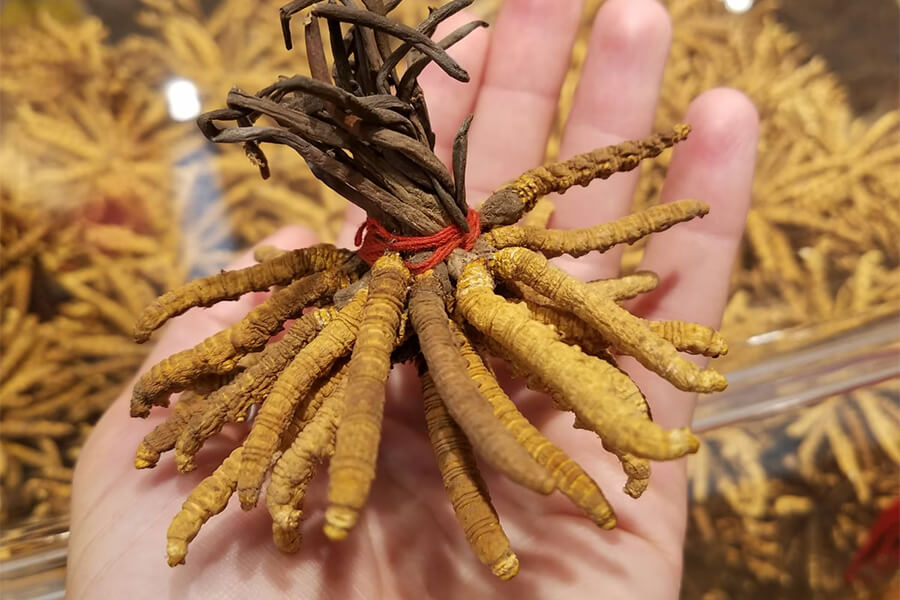
Among the many natural treasures hidden within the Himalayas, Cordyceps Bhutan stands out as one of the most unique and valuable medicinal resources. Often referred to as “Himalayan Gold,” this rare fungus has been deeply rooted in Bhutanese culture, local health traditions, and high-altitude livelihoods. Today, it has become a sought-after wellness ingredient globally, attracting researchers, herbalists, and travelers who want to understand its origin, benefits, and usage. For visitors planning Bhutan trips, learning about this remarkable fungus adds an enriching layer to their cultural experience.
This article provides an in-depth look into Cordyceps from Bhutan, explaining how it is harvested, what makes it special, and why it has become a premium medicinal product recognized worldwide. With clear insights, practical tips, expert analysis, and a trustworthy approach, the following sections will guide you to fully understand the value of Bhutan Cordyceps and how to use it safely and effectively.
The Origin Of Bhutan Cordyceps
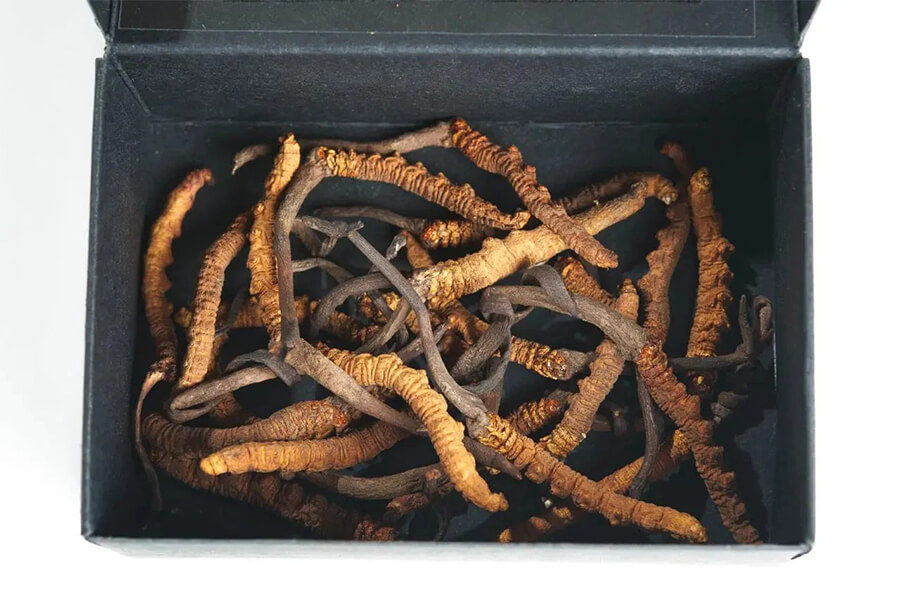
A miracle formed in the Himalayas
The story of Cordyceps in Bhutan begins at altitudes above 4,000 meters—remote mountain slopes blanketed in snow for most of the year. Scientifically known as OphioCordyceps sinensis, this fungus grows parasitically on ghost moth larvae. The unusual combination of cold climate, high elevation, pristine air, and untouched soil creates the perfect environment for Cordyceps to form naturally.
Bhutan’s mountains—particularly in districts such as Laya, Lunana, Sephu, and Merak-Sakteng—are home to some of the highest-quality Cordyceps in the world. These regions are isolated, requiring long trekking days and deep knowledge of the terrain. Locals describe the harvest season (usually May to July) as both a cultural and economic event, where entire villages embark on expeditions into the highlands to search for the precious fungus.
Traditional harvesting practices
Unlike commercial harvesting in some countries, Cordyceps collection in Bhutan strictly follows government regulations. Only licensed Bhutanese citizens can participate, ensuring sustainability and preventing over-harvesting. This system protects the natural environment and maintains the purity of Cordyceps Bhutan, making it one of the most trusted sources on the global market.
Harvesters typically spend weeks in the mountains, scanning the ground for tiny brown stalks protruding through the soil. The process is painstaking, requiring patience and a sharp eye. Each piece is carefully extracted by hand to avoid breaking the delicate body. After collection, the fungus is cleaned and dried naturally - preserving its medicinal components.
Cultural relevance
For many rural communities, Cordyceps harvesting is a primary economic activity. Income from the season helps families support education, health, and daily living. More importantly, the harvesting tradition has forged a deep respect for nature, reflected in local beliefs that the mountains must be approached with gratitude and spiritual mindfulness.
Cordyceps Bhutan Benefits
Traditional Bhutanese and Tibetan medicine have used Cordyceps for centuries. Today, modern studies continue to validate many of its effects, positioning Cordyceps from Bhutan as a powerful adaptogen and natural supplement.
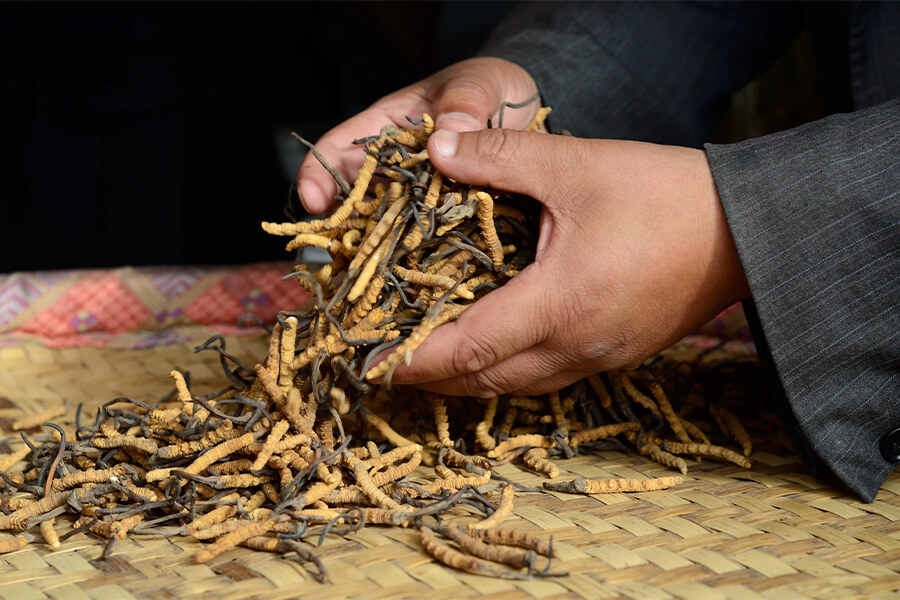
1. Boosts energy and reduces fatigue
Cordyceps helps the body use oxygen more efficiently. For travelers trekking high-altitude trails in Bhutan - such as Jomolhari or Snowman Trek - local guides often mention that Cordyceps tea is used to reduce fatigue and enhance stamina.
2. Strengthens the immune system
Rich in antioxidants and bioactive compounds, Bhutan Cordyceps supports the body’s immune response, helping fight infections and improve overall health.
3. Supports respiratory health
Traditionally, Cordyceps has been used to alleviate symptoms of asthma, cough, and shortness of breath. Its ability to relax bronchial passages makes it valuable for people living in cold or high-altitude regions.
4. Enhances libido and reproductive wellness
Cordyceps is often associated with improved vitality and hormonal balance. In local medicine, it is frequently recommended for men and women to enhance reproductive health.
5. Balances blood sugar levels
Studies suggest that Cordyceps may help regulate glucose metabolism, making it beneficial for people managing diabetes or insulin resistance.
6. Supports cardiovascular health
Regular consumption promotes healthy blood circulation and may help reduce bad cholesterol levels.
7. Anti-aging and antioxidant effects
High levels of cordycepin and polysaccharides provide strong anti-aging benefits by slowing cellular degeneration and supporting regeneration.
Bhutan Cordyceps Price
The price of Cordyceps Bhutan is among the highest globally due to:
- Rarity: It grows only in specific high-altitude environments.
- Hand-harvesting: Each piece is found and extracted manually.
- Short harvesting season: Only 4–6 weeks per year.
- Strict regulations: Only licensed locals can collect and sell.
- Premium quality: The soil and climate of Bhutan produce some of the purest specimens.
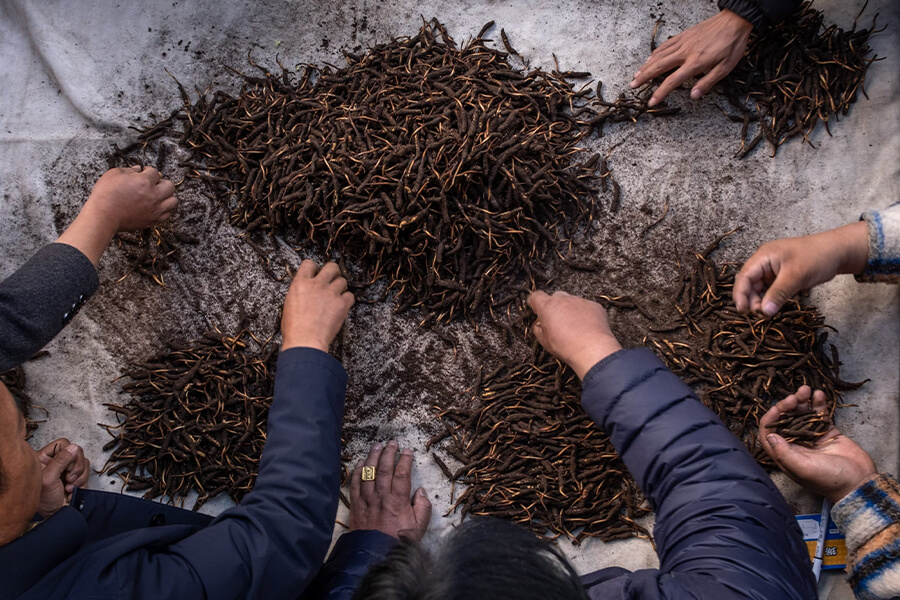
Although prices fluctuate annually based on quality and demand, typical ranges include:
- Top-grade Cordyceps: Extremely large, intact pieces can reach very high prices per kilogram.
- Medium grade: More affordable but still premium due to their Bhutanese origin.
- Lower grade: Smaller pieces or those with imperfections, yet still valuable because of their purity.
Buyers should always purchase through reputable sellers or government-certified auctions to ensure authenticity. The Bhutanese auction system remains one of the most transparent and trustworthy ways to acquire Cordyceps from Bhutan.
How To Use Cordyceps From Bhutan
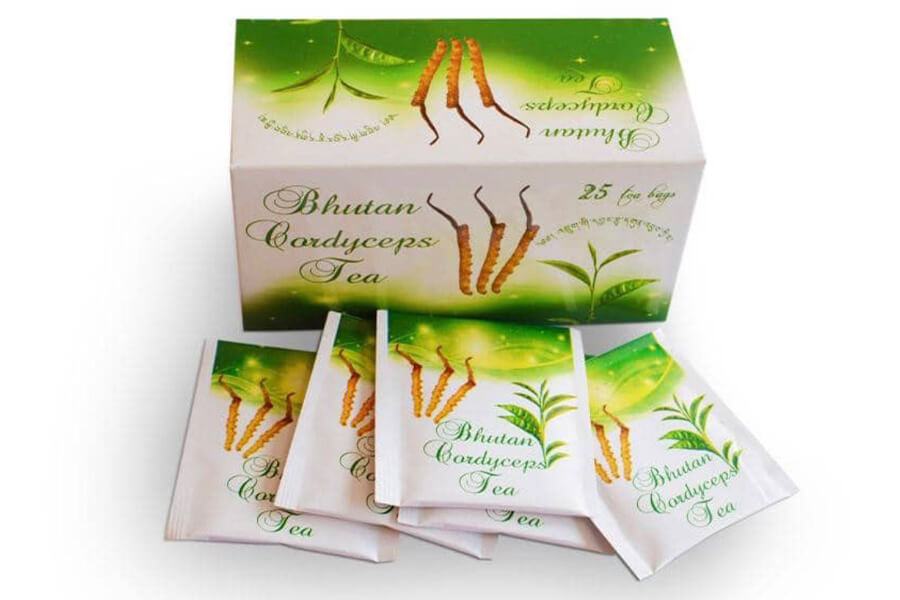
1. Brewed as tea
One of the simplest methods is to boil 1–2 pieces of Bhutan Cordyceps in water for 10–15 minutes. This creates a mild, earthy tea often consumed daily for energy and immunity.
2. Cooked with soups
Cordyceps can be added to:
- Chicken soup
- Yak meat broth
- Vegetable stews
This traditional Bhutanese method provides nourishment and enhances the medicinal essence of the broth.

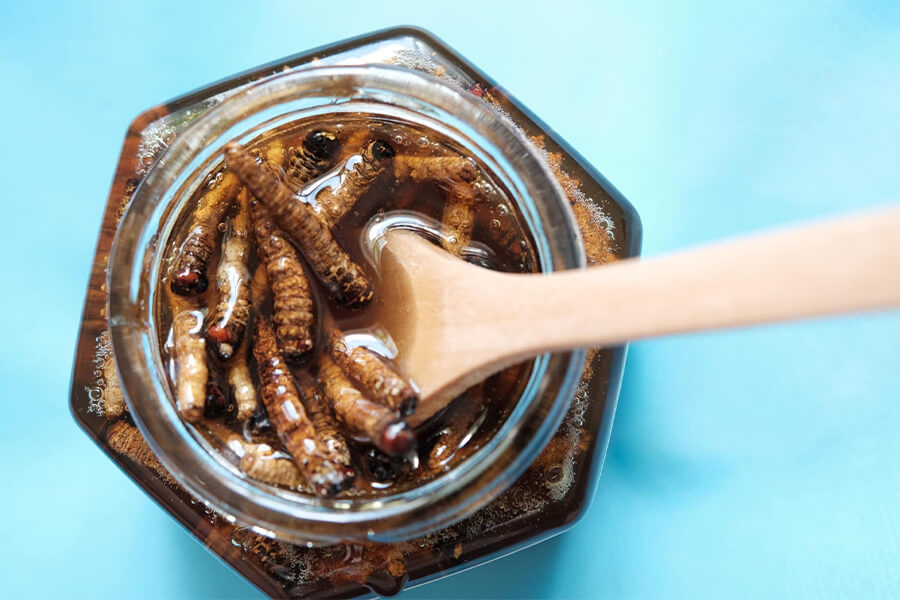
3. Mixed with honey
Crushed Cordyceps blended with local Bhutanese honey creates a powerful tonic known for boosting immunity and respiratory strength.
4. Powders and capsules
For convenience, many people prefer powdered or encapsulated forms. These are easier to dose and suitable for daily supplementation, especially for those with busy lifestyles.
5. Steeped in alcohol
A popular traditional method involves steeping Cordyceps in local alcohol for several weeks to create a warming medicinal drink.
Dosage recommendations
- General wellness: 1–2 pieces/day
- Energy and stamina: 2–3 pieces/day
- Therapeutic use: Consult a certified practitioner
Always start with small amounts, especially if you are new to adaptogenic herbs.
Notes When Using Cordyceps In Bhutan
1. Buy only authentic products
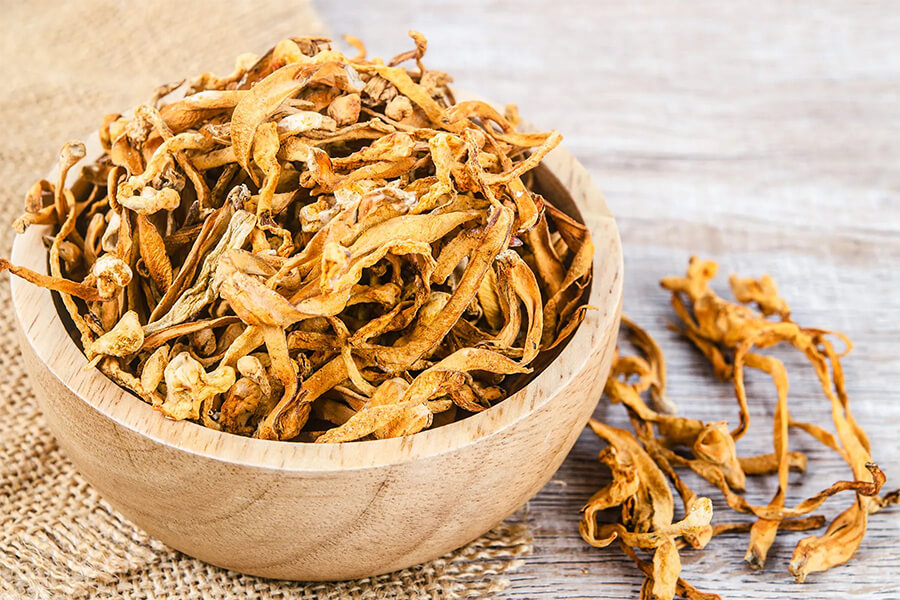
Fake Cordyceps is common in many markets outside Bhutan. When purchasing Cordyceps in Bhutan, choose:
- Government-certified shops
- Registered herbal medicine stores
- Bhutanese Cordyceps Auction markets
Avoid buying from street vendors unless you have experience recognizing authentic pieces.
2. Avoid excessive consumption
Although natural, Cordyceps is potent. Overconsumption may cause:
- Digestive discomfort
- Insomnia
- Elevated heart rate
Moderation is key.
3. Not recommended for certain groups
Avoid or consult a doctor if you:
- Are pregnant or breastfeeding
- Are taking blood-thinning medications
- Have autoimmune diseases
- Are undergoing surgery soon
4. Store properly
Keep Cordyceps in:
- Airtight containers
- Cool, dry conditions
- Away from direct sunlight
Proper storage maintains potency for months or even years.
5. Respect local regulations
During Bhutan trips, it is important for travelers to respect the country’s strict laws regarding Cordyceps harvesting and trade. Foreigners are not allowed to collect or export raw Cordyceps without official permits.
Cordyceps Bhutan is far more than a medicinal fungus - it is a symbol of the Himalayan ecosystem, a livelihood for mountain communities, and a globally recognized natural remedy. From its remarkable origin to its wide-ranging health benefits, its cultural significance, and its premium value, this fungus represents the perfect combination of nature and tradition in one of the world’s most pristine environments.
Whether you are exploring the mountains on Bhutan trips, researching natural wellness remedies, or planning to purchase Cordyceps from Bhutan, understanding its story will help you appreciate its true worth. By consuming it responsibly, buying from trusted sources, and following proper usage guidelines, you can experience the authentic benefits of this Himalayan treasure for your health and well-being.
Bhutan Cordyceps continues to gain recognition worldwide not only for its potency but also for the sustainable way it is protected and harvested - a reminder of how harmony between humans and nature can create something truly extraordinary.