
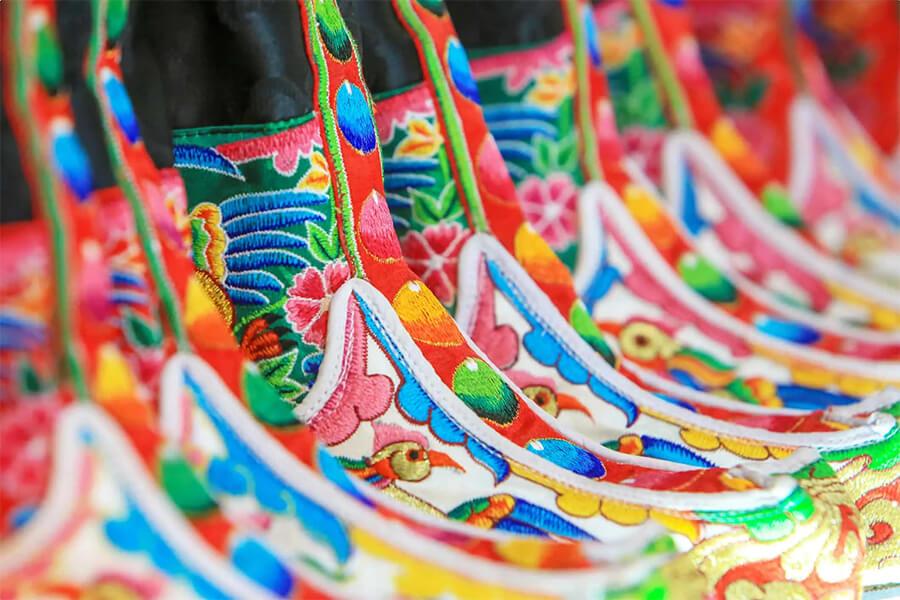
In the heart of the Himalayas, Bhutan stands as a beacon of preserved culture and tradition, where every element of daily life echoes centuries-old practices. For those embarking on bhutan tours, discovering the intricate details of local attire offers a profound insight into the kingdom's identity. Among these, Bhutanese traditional boots, known locally as Tshoglhams, represent a fascinating blend of functionality, artistry, and social symbolism. These boots are more than mere footwear; they are a testament to Bhutan's commitment to its heritage, worn with pride during significant events. As an experienced travel writer who has traversed Bhutan's rugged landscapes and immersed in its festivals, I can attest that understanding traditional boots of Bhutan enriches any visitor's journey, revealing layers of history and craftsmanship that define this enchanting nation.
What Are Tshoglhams?
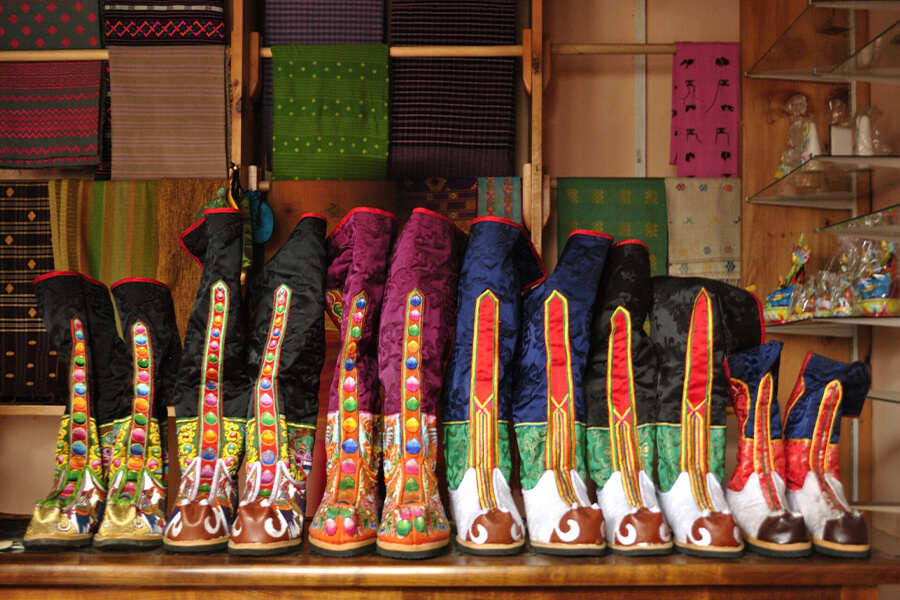
Tshoglhams are the iconic Bhutanese traditional boots that have become synonymous with Bhutan's national dress. These knee-high boots feature a distinctive upturned toe, reminiscent of ancient designs that prioritize both aesthetics and practicality in mountainous terrain. Typically worn by men, they complement the gho, Bhutan's traditional male attire, creating a complete ensemble that exudes elegance and cultural depth.
Originating from influences that trace back to the 17th century, Tshoglhams were introduced to Bhutan by Zhabdrung Ngawang Namgyal, the unifier of the kingdom. This historical figure brought not only political stability but also elements of Tibetan-inspired fashion, adapting them to Bhutanese needs. In my travels, I've seen these Bhutanese boots in action, from the dusty paths of Paro to the bustling streets of Thimphu, where they serve as a bridge between past and present.
The basic structure of these bhutan traditional boots includes three main parts: the sole, the midsection, and the upper shaft. The sole is sturdy, often reinforced for durability, while the upper parts showcase vibrant fabrics and intricate stitching. Unlike modern shoes, Tshoglhams are designed to be pulled on without laces, emphasizing ease in formal settings. For visitors on bhutan tours, spotting these boots during a tshechu festival is a highlight, as they add color and rhythm to the dances.
The Cultural Significance of Traditional Bhutanese Boots
Traditional Bhutanese boots hold a mirror to Bhutan's societal values, where clothing is not just about coverage but about conveying respect, hierarchy, and unity. In Bhutanese culture, attire is mandated by royal decree to preserve national identity, and Tshoglhams play a pivotal role in this. They symbolize the kingdom's Gross National Happiness philosophy, where cultural preservation contributes to overall well-being.
From my experiences attending Bhutanese weddings and religious ceremonies, I've observed how these Bhutanese traditional boots foster a sense of community. They are worn to honor traditions, reminding wearers and observers of Bhutan's Buddhist roots and monarchical structure. The boots' evolution reflects Bhutan's balance between tradition and modernity; while designs remain rooted in history, adaptations like rubber soles show practical innovation.
Authoritative sources, such as the Royal Civil Service Commission, enforce etiquette requiring officials to wear Tshoglhams at official events, ensuring the craft's survival. This practice underscores trustworthiness in Bhutan's governance, where visual symbols reinforce societal order.
What does the colour of one’s boots indicate?
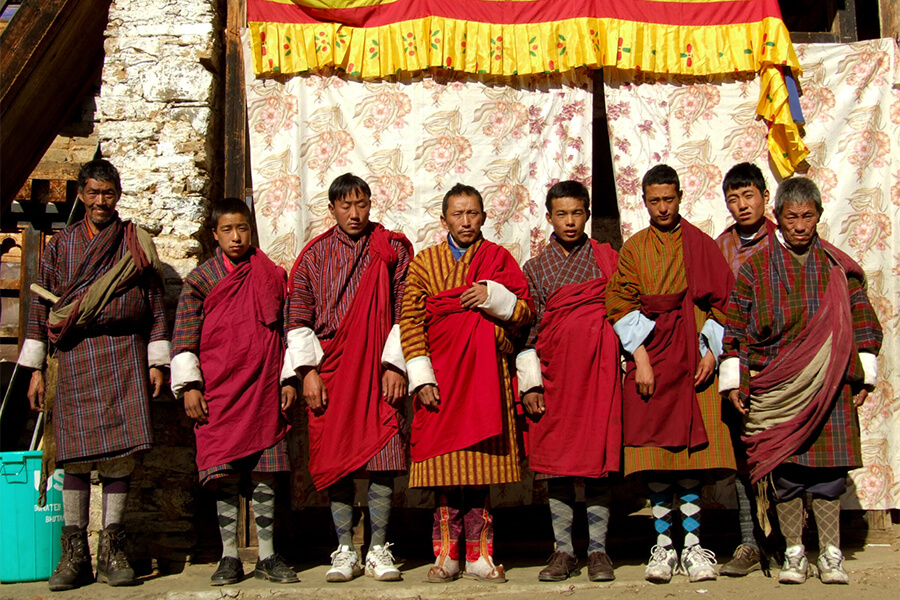
The colors of Bhutanese traditional boots are far from arbitrary; they serve as a visual code denoting the wearer's rank and status in Bhutanese society. This color-coding system, inspired by ancient traditions, adds layers of meaning to what might seem like mere decoration.
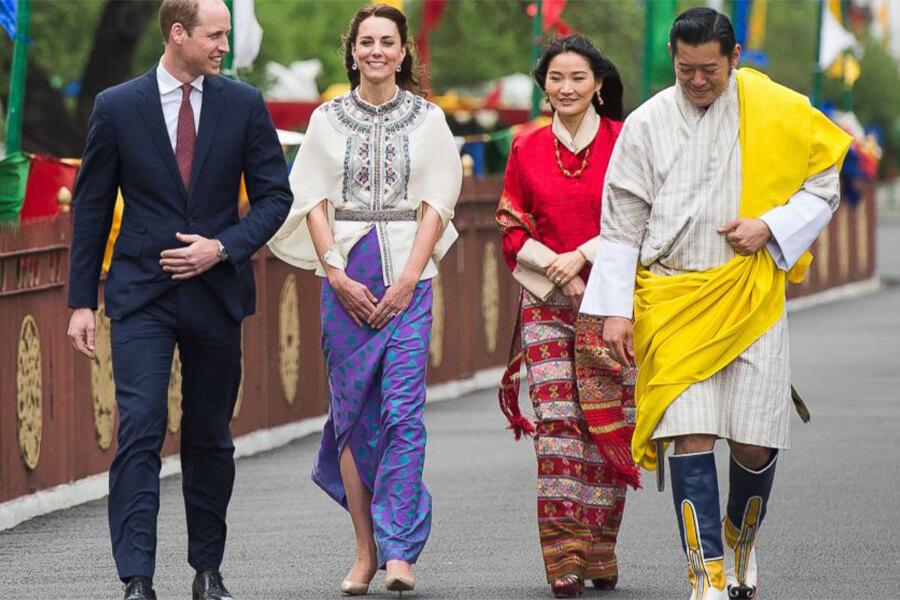
Yellow, the most prestigious hue, is reserved exclusively for His Majesty the King and His Holiness the Je Khenpo, the Chief Abbot. This color echoes imperial Chinese influences, symbolizing supreme authority and spiritual leadership. In my visits to Punakha Dzong, I've witnessed the reverence accorded to those in yellow boots, a sight that commands immediate respect.
Orange signifies ministerial positions, worn by high-ranking government officials like Lyonpos. Red is for senior officials and Dashos, awarded honorary titles by the King. Blue denotes members of Parliament or the National Council, while green is for common citizens. These distinctions ensure clarity in social interactions, a practical tip for visitors: observe boot colors to gauge hierarchy during festivals.
This system promotes order and humility, aligning with Bhutan's Buddhist ethos. While modern adaptations exist, the core symbolism remains intact, making traditional boots of Bhutan a living archive of status.
Design, Materials, and Craftsmanship of Bhutanese Boots
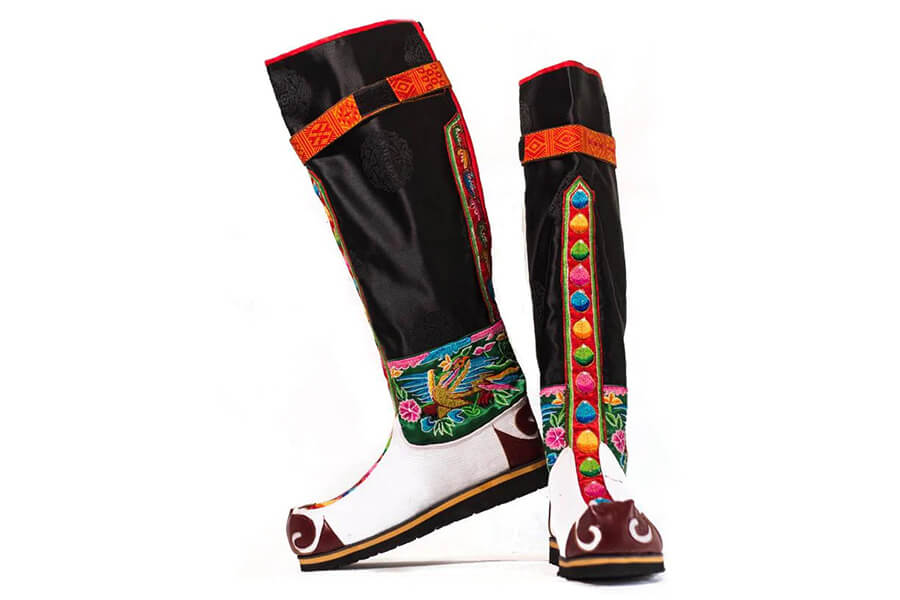
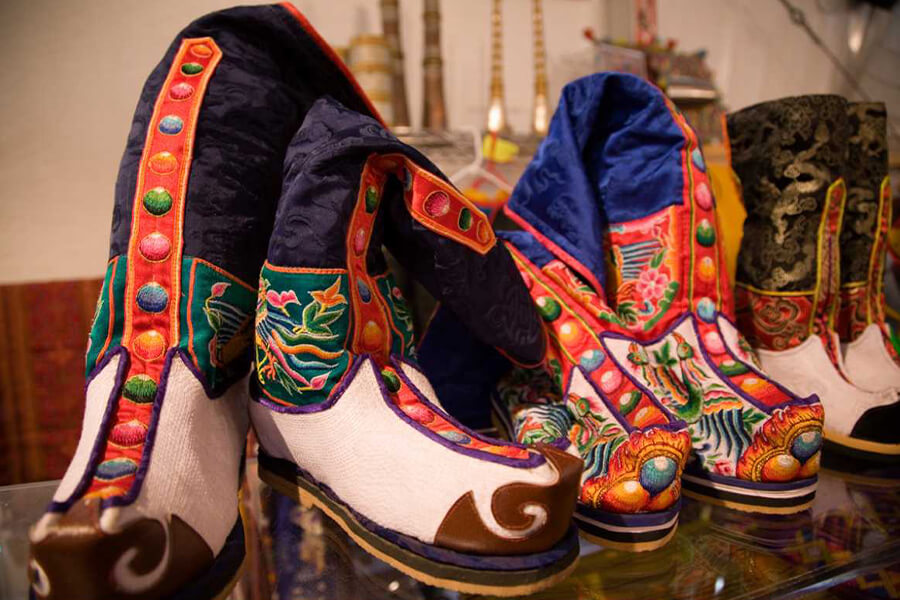
The design of Bhutanese boots is a masterpiece of functionality and artistry, crafted under the umbrella of Zorig Chusum, Bhutan's 13 traditional arts. Each boot consists of three sections: the lower white leather appliqué for stability, the middle brocade panel for color and embroidery, and the upper silk or wool shaft for comfort.
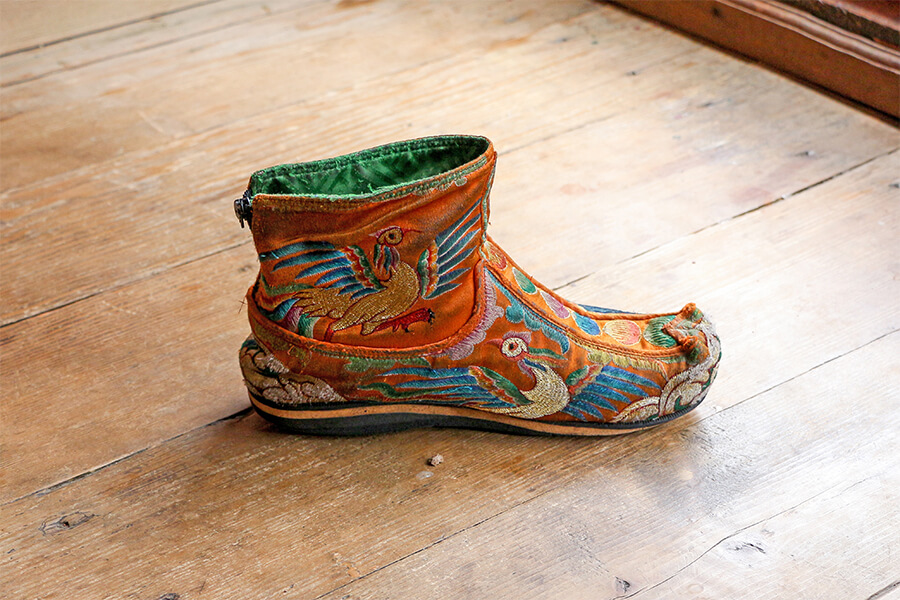
Materials have evolved over time. Originally made from gechen silk, modern Tshoglhams incorporate leather for durability, with rubber soles replacing thin leather for better grip on Bhutan's terrain. Brocades feature motifs like dragons, phoenixes, or flowers, embroidered with precision that reflects the artisan's skill.
Craftsmanship is handed down through generations, often in workshops like those in Thimphu. As someone who has watched boot-makers at work, I can share that the process takes days to weeks, involving measuring, cutting, stitching, and embellishing. This hands-on approach ensures each pair is unique, a tip for buyers: request custom designs for a personal touch.
The upturned toe aids in stirring stirrups during archery, Bhutan's national sport, blending form with function. Trustworthy craftsmanship from institutes like the Institute of Zorig Chusum guarantees quality, preserving this art against modernization.
Types of Bhutan Traditional Boots
Bhutan traditional boots come in variations tailored to different roles and occasions, each with unique features that highlight Bhutan's diverse cultural tapestry.
Royal and Ceremonial Bhutanese Boots
Royal Bhutanese boots are the epitome of opulence, reserved for the monarchy and high clergy. Featuring yellow midsections with elaborate gold embroidery, they symbolize divine authority. Ceremonial versions, worn at coronations or national assemblies, boast intricate patterns and premium materials like silk brocade. In my experience at the Thimphu Tshechu, these Bhutanese traditional boots elevate the wearer's presence, adding grandeur to processions. They often include padding with aromatic herbs for comfort during long events.
Everyday Traditional Bhutanese Boots
For daily use, everyday traditional Bhutanese boots are simpler, made from uncured leather without heavy embroidery. These are practical for commoners, offering protection in rural settings like farming or trekking. Green midsections denote civilian status, and rubber soles make them suitable for Bhutan's weather.
Monastic and Religious Boots in Bhutan
Monastic boots cater to religious figures, often in red or subdued tones with motifs inspired by Buddhist iconography. Designed for temple duties, they prioritize comfort and humility. In monasteries like Tango, I've noted how these Bhutanese traditional boots facilitate rituals, with flexible materials allowing prostrations. They underscore Bhutan's spiritual core, differing from secular types in their symbolic restraint.
When and Why Bhutanese People Wear Traditional Boots
Bhutanese wear traditional boots primarily during festivals, formal gatherings, and ceremonies, where they signify respect and adherence to cultural norms. Tshechus, annual religious festivals, see men donning Tshoglhams to participate in masked dances, enhancing the spectacle.
Why? To honor heritage and display status. In official settings, like National Assembly sessions, they are mandatory for civil servants, as per etiquette codes. Weddings and archery competitions also call for them, blending tradition with social bonding.
From personal observations, wearing these boots instills pride, connecting individuals to their ancestors. Not everyday wear due to formality, they appear on special days, preserving their sanctity.
Where to See or Buy Traditional Boots of Bhutan
To witness Bhutanese traditional boots in their element, head to dzongs like Punakha or Paro during festivals, where officials and dancers showcase them. Markets in Thimphu buzz with displays, offering glimpses into their use.
For purchasing, the Traditional Boot House in Chubachu, Thimphu, is a go-to spot, run by skilled artisans. The Craft Gallery nearby provides a selection, with prices from 1,800 to 6,000 Ngultrum. The Institute of Zorig Chusum allows observation and custom orders.
In Paro, handicraft shops sell authentic pairs. A practical tip: measure accurately for fit, and opt for green if not official. These venues ensure credible buys, supporting local craftsmen.
Frequently Asked Questions About Bhutanese Traditional Boots
Are Bhutanese traditional boots handmade?
Yes, Bhutanese traditional boots are meticulously handmade by artisans trained in Zorig Chusum. The process involves sewing leather and brocade, taking days, ensuring each pair's uniqueness and quality.
Are Tshoglhams worn daily in Bhutan?
No, Tshoglhams are not worn daily; they are reserved for festivals, ceremonies, and formal occasions. Everyday footwear is simpler, while these Bhutanese boots maintain their special status.
What makes Bhutanese boots different from other Himalayan boots?
Bhutanese boots stand out with their color-coded system denoting rank, upturned toes for practicality, and intricate Bhutanese motifs. Unlike Tibetan or Nepali versions, they integrate silk brocade and rubber adaptations, reflecting unique cultural evolution.
Can Visitors Wear Bhutanese Traditional Boots?
Yes, visitors can wear Bhutanese traditional boots, especially green civilian versions available for purchase. It's respectful to do so during festivals, enhancing immersion, but avoid higher-rank colors to honor traditions.