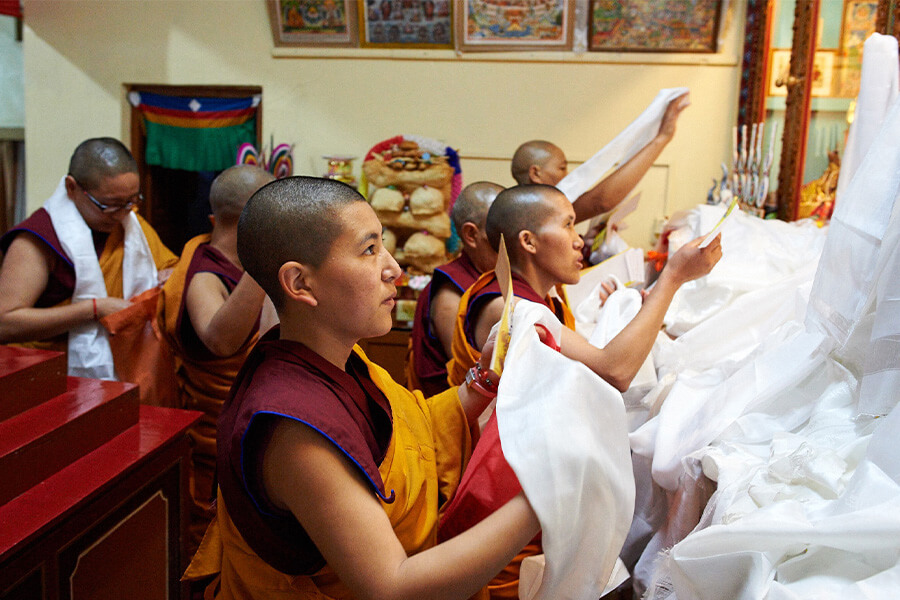
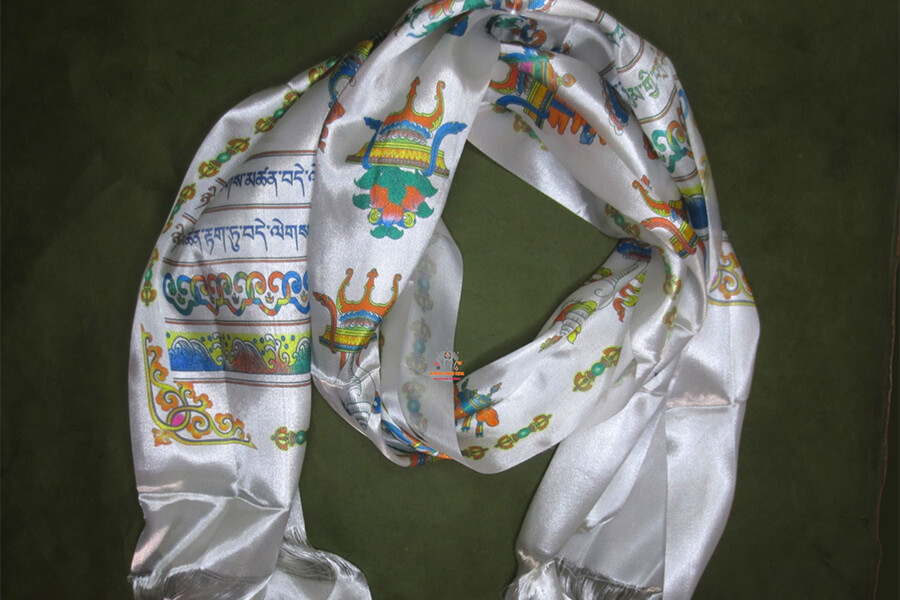
In the enchanting kingdom of Bhutan, where ancient traditions blend seamlessly with breathtaking landscapes, the Bhutanese scarf holds a special place in cultural rituals and daily life. Whether you're embarking on a bhutan tour to immerse yourself in Himalayan heritage or simply curious about global customs, understanding this ceremonial accessory reveals profound insights into Bhutanese spirituality and hospitality. Known as the khata, this simple yet symbolic item transcends mere fabric, embodying blessings, respect, and goodwill. As an experienced travel writer who has wandered through Bhutan's monasteries and markets, I've witnessed firsthand how the Bhutanese scarf weaves into the fabric of every meaningful encounter, from welcoming ceremonies to farewell gestures.
What Is a Bhutanese Scarf?
The Bhutanese scarf, often referred to as a khata, is a long, rectangular piece of cloth that serves as a ceremonial offering in Bhutanese culture. Typically made from silk or cotton, it measures about five to eight feet in length and one to two feet in width, allowing it to drape elegantly over shoulders or be presented with folded hands.
This accessory is not just an ordinary garment; it's a versatile symbol used in various social and religious contexts. In Bhutan, the khata is exchanged during greetings, celebrations, and even mournful occasions, acting as a bridge between individuals and the divine. Its simplicity belies its importance, as it represents purity and auspiciousness.
From my travels, I've seen how the Bhutanese scarf adapts to different settings. In monasteries, monks use it to honor deities, while in homes, it's offered to guests as a sign of warm welcome. This adaptability makes it an essential item for anyone exploring Bhutanese traditions.
Unlike everyday scarves worn for warmth, the Bhutanese scarf is ritualistic. It's folded meticulously and presented with both hands, palms up, to show respect. This gesture underscores the cultural emphasis on mindfulness and intentionality. In essence, the Bhutanese scarf is a tangible expression of Bhutan's Gross National Happiness philosophy, promoting harmony and positive intentions in every interaction.
Khata: The Meaning and Symbolism of the Ceremonial Scarf
The khata, the quintessential Bhutanese scarf, carries layers of meaning rooted in Buddhist principles. It symbolizes the five auspicious elements: water, fire, earth, air, and space, each contributing to its spiritual significance. At its core, offering a khata conveys pure intentions and blessings. The white variety, most common, represents purity of heart and compassion, aligning with Buddhist ideals of nonharm and kindness. When presented, it invokes good fortune for the recipient, whether in a wedding, promotion, or spiritual journey.
Symbolically, the khata acts as a connector between the giver and receiver, fostering unity and respect. In Bhutanese society, it's a nonverbal way to express gratitude, apology, or celebration, transcending language barriers. Drawing from my experiences guiding tours in Paro and Thimphu, I've observed how the khata enhances ceremonies. During festivals like Tshechu, dancers incorporate colorful versions to amplify the vibrancy of performances, symbolizing joy and community spirit.
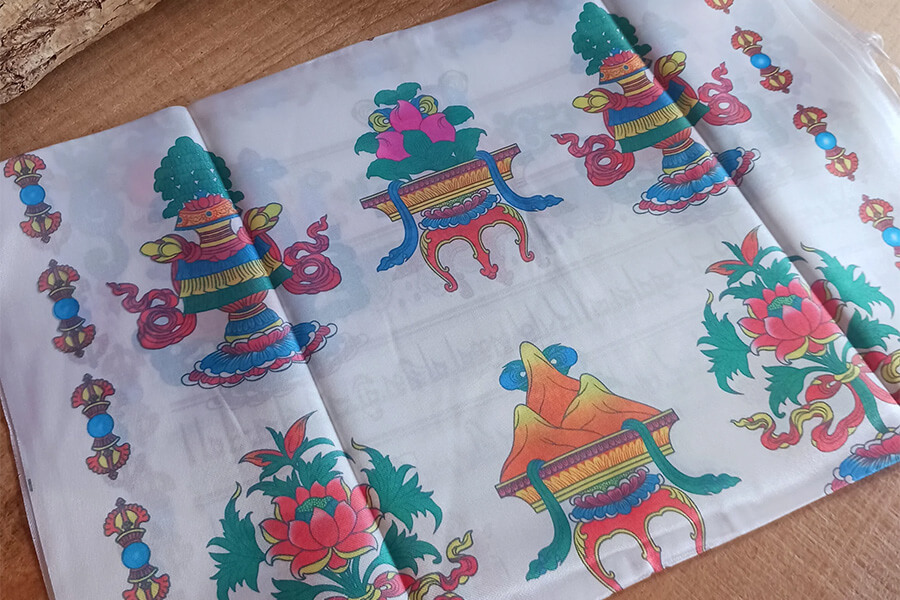
Moreover, the khata embodies impermanence, a key Buddhist teaching. Its lightweight fabric reminds us that life's blessings are fleeting, encouraging mindfulness in the present moment. In Tibetaninfluenced regions, the scarf in Tibetan traditions mirrors this, but in Bhutan, it integrates unique local motifs, making the Bhutanese scarf distinctly national.
Overall, the symbolism of the khata reinforces Bhutan's commitment to spiritual wellbeing, making it more than fabric—it's a vessel for positive energy.
The Origin of Khata in Himalayan and Tibetan Culture
The origins of the khata trace back centuries to the Himalayan regions, particularly within Tibetan Buddhist practices. Historians believe it evolved from ancient silk offerings in Central Asia, where traders along the Silk Road exchanged scarves as tokens of goodwill.
In Tibetan culture, the scarf in Tibetan customs dates to the 7th century during the reign of King Songtsen Gampo, who unified Tibet and promoted Buddhism. It became a staple in monastic rituals, symbolizing the pure mind offered to enlightened beings. As Buddhism spread to Bhutan in the 8th century via Guru Rinpoche, the khata integrated into local traditions. Bhutanese adaptations included incorporating Drukpa Kagyu sect influences, blending it with indigenous Bon elements for a unique cultural fusion.
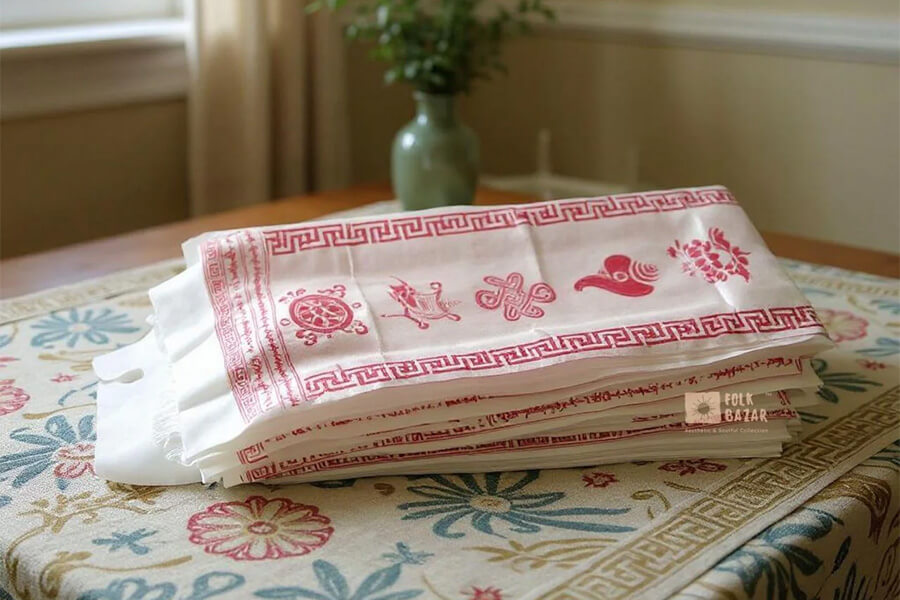
From authoritative sources like Bhutanese historical texts and monastery archives, we know the khata gained prominence during the unification under Zhabdrung Ngawang Namgyal in the 17th century. It was used in diplomatic exchanges to seal alliances and express loyalty. In my journeys through remote Himalayan villages, I've learned how oral histories preserve these origins. Elders recount tales of lamas using khata to bless pilgrims, emphasizing its role in spiritual protection.
The scarf in Bhutan evolved distinctly, influenced by the kingdom's isolation, preserving purer forms compared to modern adaptations elsewhere. This historical depth underscores its enduring relevance in contemporary Bhutanese life. Today, the khata bridges ancient roots with modern practices, seen in international diplomacy where Bhutanese leaders present it to foreign dignitaries, symbolizing peace.
Colors and Materials of Bhutanese Traditional Scarves
The Bhutanese traditional scarf, or khata, comes in a spectrum of colors, each carrying specific connotations. White remains the most prevalent, signifying purity and used in general auspicious occasions.
Yellow or gold khata denote prosperity and are often presented to lamas or during promotions, drawing from Buddhist iconography where gold represents enlightenment.
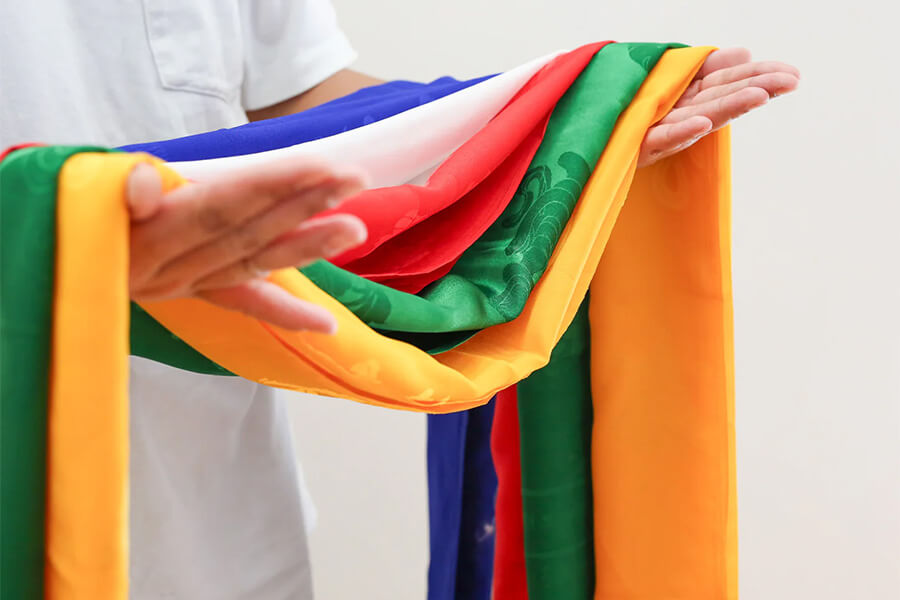
Blue varieties symbolize tranquility and are common in healing rituals or to wish safe travels. Red khata, evoking vitality, appear in weddings to bless marital harmony.
Green ones represent harmony with nature, aligning with Bhutan's environmental ethos, while multicolored versions add festive flair to celebrations.
Materials vary by quality and purpose. Traditional khata are crafted from raw silk, prized for its luster and durability, sourced from local sericulture projects.
Cotton alternatives offer affordability for everyday use, while premium versions incorporate fine embroidery with auspicious symbols like the eight lucky signs.
In artisan workshops I've visited in Punakha, weavers use natural dyes from Himalayan plants, ensuring ecofriendly production. This sustainable approach reflects Bhutan's carbonnegative status.
The fringe at the ends, often tasseled, adds elegance and prevents fraying, a practical detail honed over generations.
Choosing the right color and material depends on the occasion; for instance, a silk white khata suits formal monastery visits, enhancing the ritual's authenticity.
These variations make the Bhutanese scarf a versatile cultural artifact, blending aesthetics with deeper meanings.
How to Offer a Khata Properly
Offering a khata is an art form in Bhutan, requiring grace and respect to honor its cultural weight. Begin by holding the Bhutanese scarf with both hands, palms facing up, ensuring it's unfolded neatly without creases.
Approach the recipient with a slight bow, extending the khata at chest level. The giver should maintain eye contact and a gentle smile, conveying sincerity.
In monastic settings, present it to the lama's hands or over an altar if direct contact isn't appropriate. For equals, drape it lightly over their shoulders after acceptance.
From practical tips gathered during my immersions in Bhutanese etiquette classes, avoid using one hand, as it implies disrespect. Also, never step over a khata on the ground; it's considered inauspicious.
Timing matters: offer it at the start of meetings for welcomes or at the end for farewells, infusing the interaction with positive vibes.
In group settings, like during a festival, multiple khata exchanges create a chain of blessings, amplifying communal harmony.
If receiving one, accept with both hands, then touch it to your forehead briefly to acknowledge the blessing before draping it around your neck.
These steps, rooted in centuriesold protocols, ensure the gesture remains meaningful and respectful.

Where to Buy Khata in Bhutan
Authentic khata are readily available across Bhutan, with key spots offering quality and variety. In Thimphu, the capital's Weekend Market buzzes with vendors selling handmade scarves, where you can haggle for silk versions at reasonable prices.
The National Textile Museum in Thimphu provides educational insights alongside a gift shop stocking premium Bhutanese traditional scarves, often woven by local artisans.
Paro's bustling bazaars near the airport feature stalls with colorful options, ideal for lastminute purchases before departing.
In Punakha, visit weaving cooperatives like the Khoma Village center, where women craft intricate khata using traditional looms, supporting community livelihoods.
For a unique experience, head to Bumthang's Yathra weaving centers, known for woolblend scarves infused with regional patterns.
From my recommendations based on multiple visits, opt for governmentapproved outlets to ensure authenticity and fair trade practices.
Prices range from 500 to 5000 Bhutanese Ngultrum, depending on material and craftsmanship, making them accessible souvenirs.