
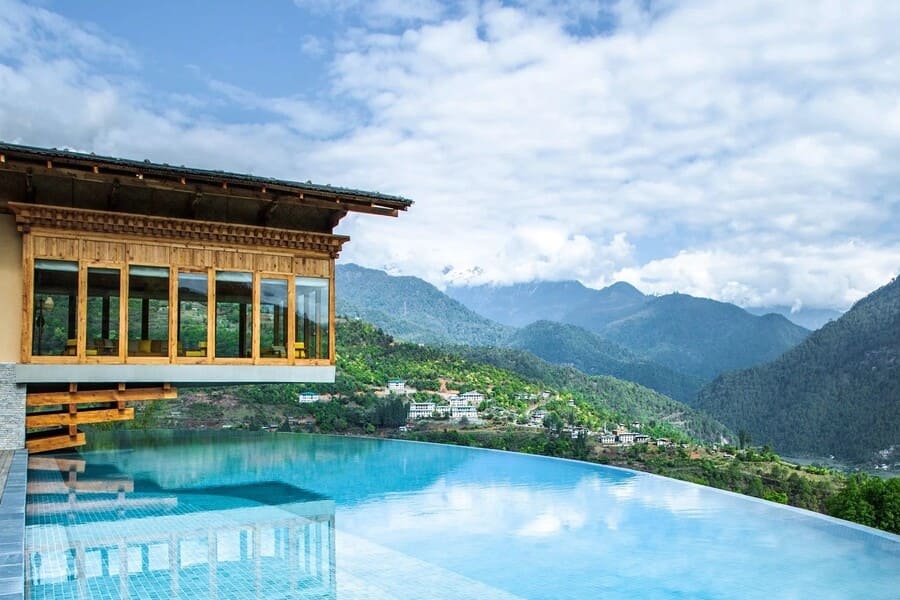
Tucked between prayer flag-strewn ridgelines and pine-scented valleys, Six Senses Bhutan has redefined what a Himalayan journey can feel like. Rather than a single hotel, it is a circuit of five distinct lodges, each one woven into the rhythm of a different valley, offering travelers a rare chance to experience the Kingdom of Bhutan slowly, mindfully, and in extraordinary comfort. For anyone planning a bhutan tour, this collection of lodges has become the gold standard for combining cultural immersion with world-class hospitality.
Having explored several properties across the Himalayas over the years, few destinations balance authenticity and luxury as gracefully as this one does. What follows is a comprehensive look at each lodge, the wellness philosophy behind the brand, the dining experiences on offer, and practical guidance for anyone considering booking a stay.
The Five Six Senses Lodges Across Bhutan
Unlike a conventional resort chain, six senses hotel bhutan operates as a "flying circuit," with guests typically moving between two or more lodges during their trip. Each property has its own architectural identity, elevation, and local character, yet all share the brand's signature commitment to sustainability, wellness, and understated design.
Six Senses Paro Bhutan – Gateway to the Kingdom
Most journeys into the country begin at Six Senses Paro Bhutan, located near Paro International Airport, the only airport in the country. The lodge sits on a hillside overlooking the Paro Valley, with views stretching toward rice terraces and traditional farmhouses. Its design draws on the aesthetic of a Bhutanese dzong, or fortress, with rammed-earth walls and hand-carved wooden details crafted by local artisans.
This property functions as both an arrival and departure point for most itineraries, making it a practical first stop to acclimatize before heading deeper into the mountains. Guests often use their time here to rest after the scenic mountain flight into Paro, widely regarded as one of the most dramatic landings in commercial aviation.
Six Senses Thimphu – The Palace in the Sky
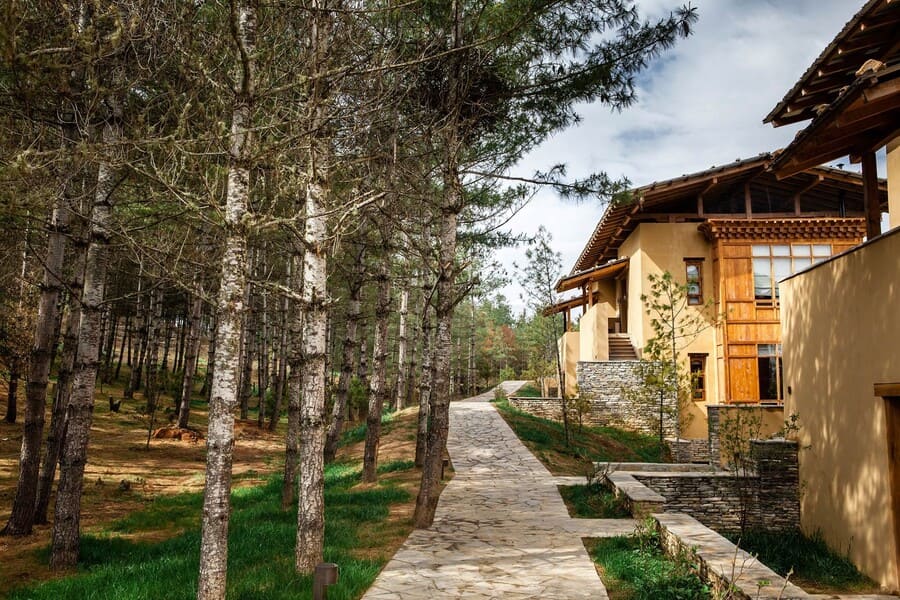
Perched above the capital city, Six Senses Thimphu offers sweeping views of Bhutan's only urban center from a forested hillside. The lodge's design is inspired by a traditional dzong watchtower, and its elevated position earns it the nickname "the palace in the sky" among frequent visitors.
Thimphu itself is worth exploring on foot. The lodge is a short drive from the city's markets, the Memorial Chorten, and the National Museum, giving guests an easy way to combine cultural sightseeing with luxury downtime.
Six Senses Punakha – A Valley of Rice Fields and Rivers
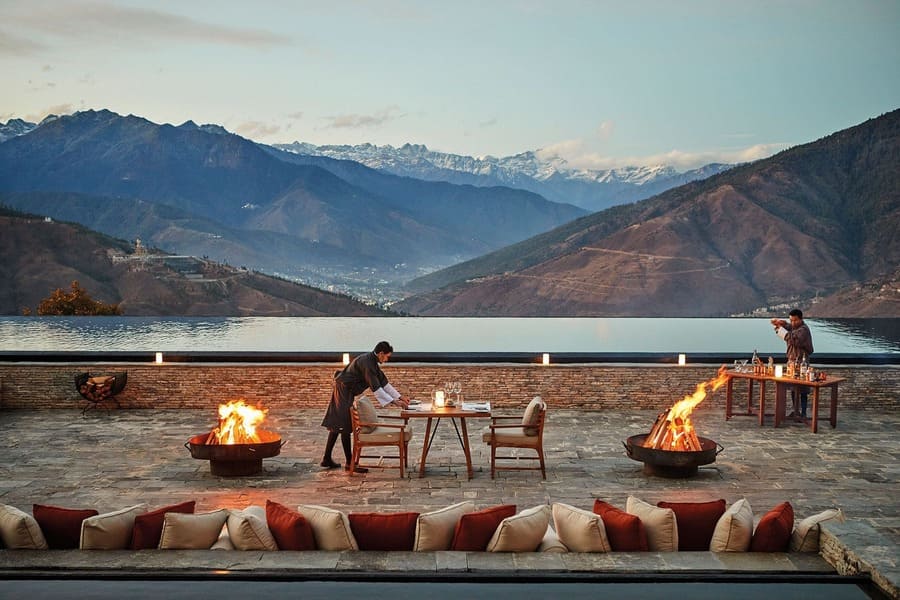
Descending in elevation, Six Senses Punakha sits above the confluence of the Pho Chhu and Mo Chhu rivers, one of the most fertile and visually striking valleys in the country. The lodge overlooks terraced rice paddies and is within reach of Punakha Dzong, often cited as the most beautiful fortress in Bhutan.
The warmer climate here, compared to Paro or Thimphu, makes it a popular stop for river activities, including white-water rafting on the Mo Chhu, as well as gentle valley walks past farmhouses and suspension bridges.
Six Senses Gangtey – Serenity in the Glacial Valley
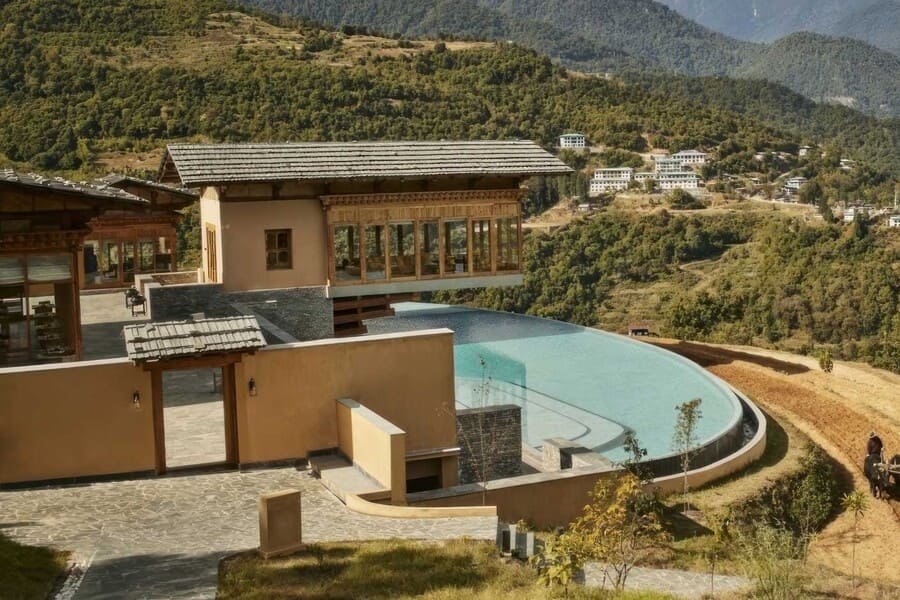
Six Senses Gangtey is arguably the most remote and atmospheric of the five lodges. Set within the glacial Phobjikha Valley, this is the winter home of the endangered black-necked crane, a species considered sacred in Bhutanese culture. The valley remains free of overhead power lines to protect the birds' flight paths, a conservation effort that speaks to the country's broader environmental philosophy.
Guests staying here often describe it as the most peaceful stop on the circuit, with open meadows, a resident monastery, and minimal light pollution making for exceptional stargazing.
Six Senses Bumthang – The Forest Within a Forest
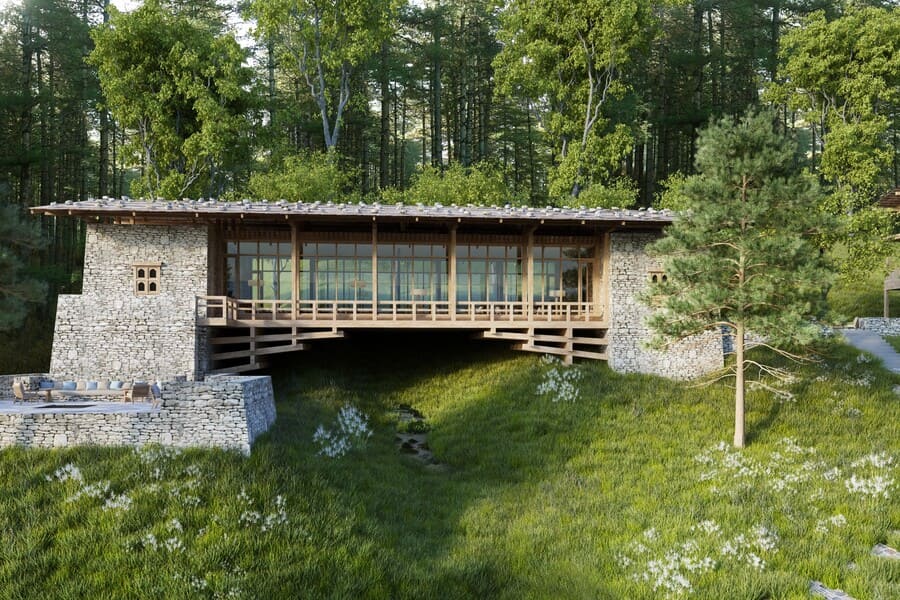
The final and most spiritually significant stop is Six Senses Bumthang, located in Bhutan's cultural and religious heartland. Surrounded by dense forest and dotted with some of the oldest temples in the country, this valley is considered the spiritual center of the kingdom. The lodge itself is designed to feel like a retreat within the forest, with low-lying structures that blend into the surrounding pine and blue pine trees.
Together, these five properties form the backbone of what many consider the most complete luxury experience available in the Himalayas today.
Wellness Experiences at Six Senses Bhutan
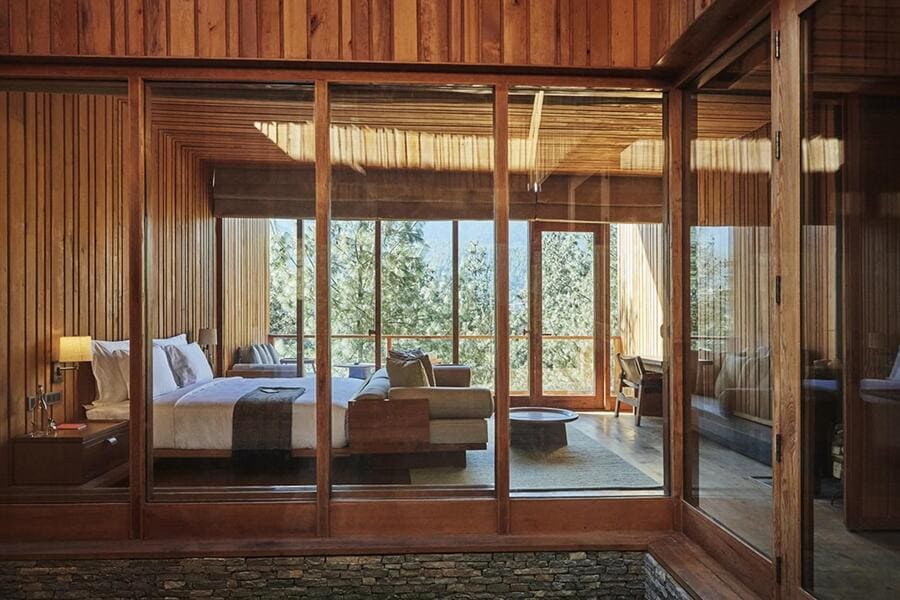
Wellness is not an add-on at Six Senses Bhutan; it is central to the brand's identity. Each lodge houses its own spa and wellness facility, and the overall program is designed around Bhutan's philosophy of Gross National Happiness, a national development index that prioritizes wellbeing alongside economic growth.
Traditional Bhutanese Healing Therapies
Guests can experience traditional Bhutanese hot stone baths, known locally as dotsho, which use river stones heated over an open fire and infused with medicinal herbs like artemisia. This practice has been used in Bhutanese villages for generations to relieve muscle tension and improve circulation, and it remains one of the most requested treatments across the properties.
Meditation, Yoga, and Mindfulness
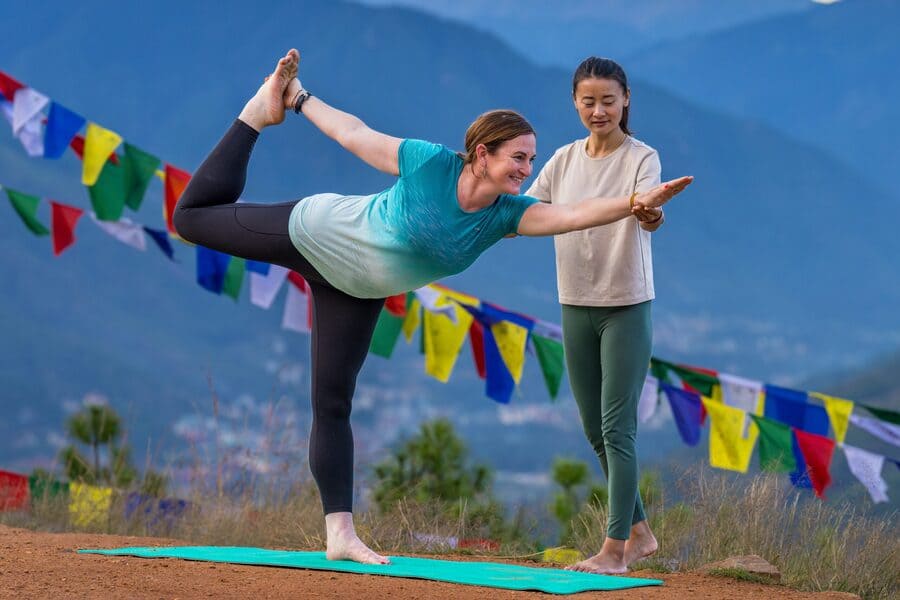
Each lodge offers guided meditation and yoga sessions, often led by resident wellness hosts trained in both Western wellness practices and Buddhist mindfulness techniques. Some sessions take place at sunrise, with instructors incorporating breathing exercises rooted in Vajrayana Buddhist tradition, the dominant spiritual practice in Bhutan.
Signature Six Senses Spa Treatments
Beyond traditional therapies, the spa menus include the brand's globally recognized signature treatments, using organic, locally sourced ingredients wherever possible. Facilities typically include steam rooms, saunas, and relaxation lounges, with treatments customized based on a guest's energy levels and travel itinerary, a thoughtful touch for those adjusting to Bhutan's higher altitudes.
Dining at Six Senses Hotel Bhutan
Dining across six senses hotel bhutan reflects the same intentionality found in its architecture and wellness programs, with a strong emphasis on local sourcing and seasonal ingredients.
Farm-to-Table Bhutanese Cuisine
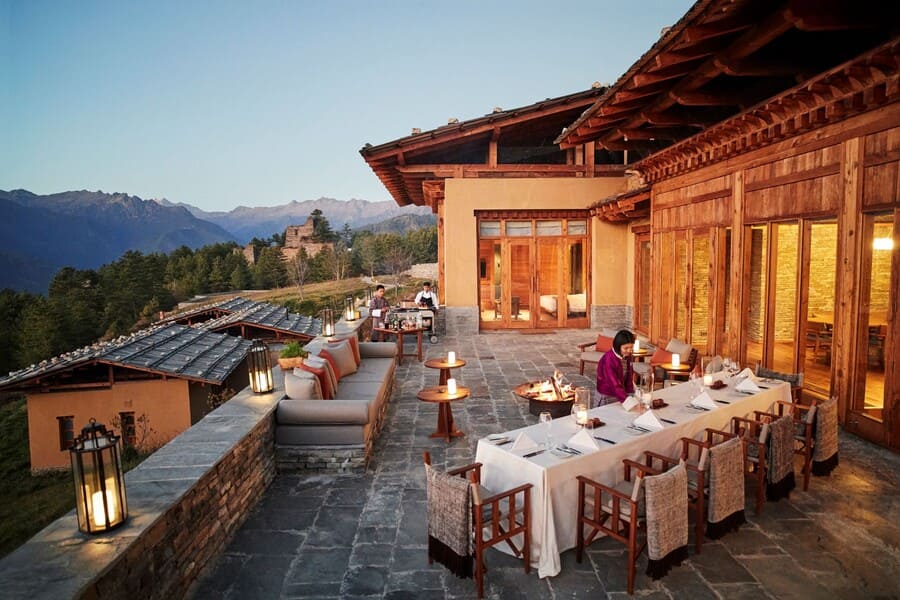
Each lodge partners with nearby farms and, in several cases, maintains its own kitchen gardens. Menus frequently feature Bhutanese staples such as ema datshi, a chili and cheese dish considered the country's unofficial national dish, alongside red rice grown in the valleys guests are staying in.
International Fine Dining
Alongside Bhutanese cuisine, each property offers international menus designed to accommodate a wide range of palates. Chefs rotate seasonal tasting menus that pair well with Bhutan's growing selection of local wines and spirits, including ara, a traditional distilled rice or grain drink.
Organic Ingredients and Sustainable Gastronomy
Sustainability extends into the kitchen as well. Many ingredients are grown organically, and the brand has made public commitments to reducing single-use plastics and supporting local agricultural communities, in line with Bhutan's national policy of maintaining at least sixty percent forest cover and pursuing carbon-neutral development.
Unique Experiences You Can Enjoy
Beyond the lodges themselves, bhutan six senses itineraries are built around access to some of the country's most meaningful cultural and natural sites.
Hiking to Tiger's Nest Monastery
No visit to Bhutan is complete without a hike to Paro Taktsang, popularly known as Tiger's Nest Monastery, which clings to a cliffside roughly 900 meters above the Paro Valley floor. The hike typically takes three to five hours round trip, and guides from the lodge often arrange early starts to avoid crowds and midday heat. Sturdy footwear and a reasonable level of fitness are recommended, as the trail involves a steady, sustained climb.
Cultural Encounters with Local Communities
Guests can arrange visits to local farmhouses, weaving workshops, and village schools, offering genuine interaction with Bhutanese families rather than staged performances. These experiences are typically arranged by lodge hosts who have long-standing relationships with nearby communities.
Private Picnics and Scenic Valley Excursions
Each lodge can organize private picnics in scenic locations, from riverside settings in Punakha to meadow spots in Gangtey. These excursions are a favorite among couples and honeymooners seeking quiet, uninterrupted time with sweeping valley views.
Seasonal Festivals and Spiritual Experiences
Bhutan's religious festivals, known as tshechus, are vibrant, mask-dance celebrations held at dzongs throughout the year. Timing a visit around a festival, such as the Paro Tshechu in spring or the Thimphu Tshechu in autumn, adds a rich cultural dimension to any stay.
How Much Does Six Senses Bhutan Cost?
Pricing at Six Senses Bhutan reflects its position at the top end of the luxury travel market. Nightly rates generally start in the range of nine hundred to over two thousand US dollars per person, depending on the lodge, room category, and season, with peak periods in spring and autumn commanding higher rates.
It is worth noting that Bhutan requires all international tourists to pay a Sustainable Development Fee, a daily government levy used to fund healthcare, education, and environmental conservation. This fee is separate from lodge accommodation costs and should be factored into any overall trip budget. Given the investment involved, most travelers choose to combine several lodges into a single multi-valley itinerary rather than booking just one property in isolation.
How to Book Six Senses Bhutan
Choosing the Right Lodge Combination
Because the five lodges are spread across different valleys, most itineraries combine three to five properties over the course of a trip lasting anywhere from seven to fourteen nights. First-time visitors often start in Paro, move through Thimphu and Punakha, and end in the more remote Gangtey or Bumthang valleys for a slower, contemplative close to the journey.
Booking Through Luxury Tour Operators
Bhutan operates under a regulated tourism model, meaning independent travelers must book through a licensed Bhutanese tour operator or a partner travel agency. This is not a barrier so much as a built-in benefit, as it ensures every guest travels with a private guide and driver throughout their stay, adding both convenience and depth of local knowledge to the experience.
Travel Requirements for Bhutan
All foreign visitors need a valid visa, arranged in advance through a licensed operator, along with proof of the Sustainable Development Fee payment. A passport valid for at least six months beyond the travel dates is standard practice, and travelers should confirm current entry requirements directly with their tour operator before finalizing flights, since regulations can be updated periodically.
Frequently Asked Questions About Six Senses Bhutan
Is Six Senses Bhutan worth the price?
For travelers seeking a deep, immersive Himalayan experience paired with genuine luxury, most guests find the investment justified. The combination of private guiding, distinctive architecture, wellness programming, and access to remote valleys is difficult to replicate elsewhere in the region.
Can you stay at only one Six Senses lodge?
Yes, it is possible to book a single lodge, and Six Senses Paro Bhutan is the most common choice for shorter trips due to its proximity to the airport and Tiger's Nest Monastery. However, most travelers who have the time prefer combining at least two or three lodges to experience Bhutan's varied landscapes.
Which is the best Six Senses lodge in Bhutan?
There is no single "best" lodge, as each offers a different atmosphere. Paro suits travelers wanting convenience and iconic hikes, Punakha appeals to those drawn to river valleys and warmer weather, and Gangtey is ideal for guests seeking quiet, remote scenery. Many travelers rate Bumthang highest for its cultural and spiritual significance.
How many nights should you spend at Six Senses Bhutan?
A minimum of seven nights across two or three lodges allows for a meaningful introduction to the country. Travelers with ten to fourteen nights can comfortably visit all five valleys without feeling rushed between destinations.
Is Six Senses Paro Bhutan close to Tiger's Nest?
Yes. Six Senses Paro Bhutan is one of the closest luxury properties to the Tiger's Nest trailhead, making it a practical base for guests planning to complete the hike during their stay in the Paro Valley.