
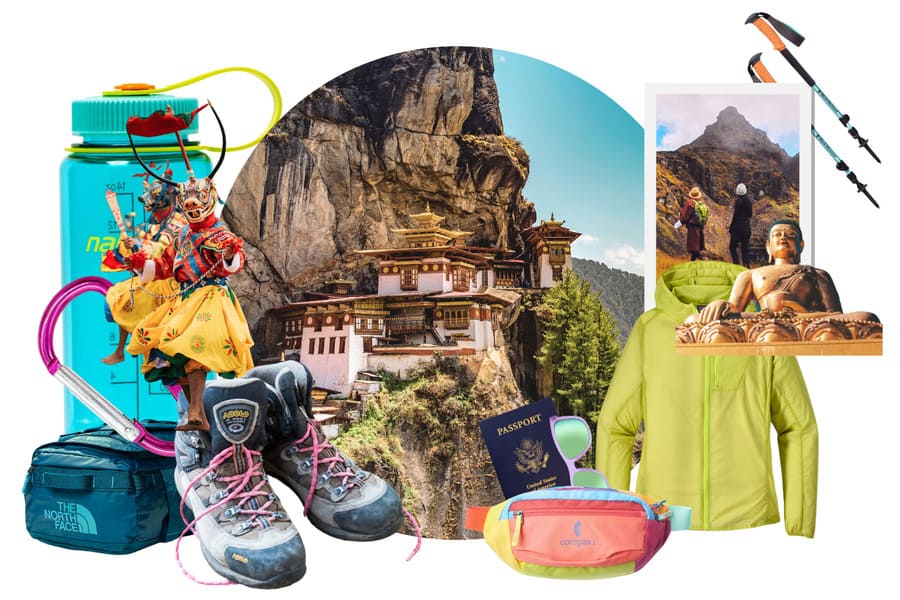
Planning a trip to the Last Shangri-La requires more than just booking your flights and exploring bhutan tour packages. Bhutan is a destination unlike any other, and being well-prepared makes all the difference between a comfortable adventure and an avoidable struggle. A well-thought-out bhutan packing list is your first step toward experiencing the Kingdom of the Thunder Dragon in comfort, style, and full cultural respect. Whether you are trekking through high mountain passes, visiting ancient monasteries, or wandering through colorful festivals, what you pack directly shapes your journey.
Why You Need a Proper Bhutan Packing List
Bhutan sits high in the Eastern Himalayas, with elevations ranging from around 200 meters in the subtropical south to over 7,000 meters in the northern peaks. The weather changes dramatically between regions and seasons, and even within a single day. Morning hikes can begin in crisp cold air and end under a warm midday sun, only to shift again into cool, breezy evenings.
Beyond the weather, Bhutan has deeply held cultural values around dress and behavior, especially when visiting sacred religious sites. Arriving without appropriate clothing is not just an inconvenience; it can prevent you from entering dzongs and temples altogether.
Unlike other destinations in Southeast Asia, Bhutan has limited international shopping options. You cannot simply replace forgotten essentials at a corner convenience store. Specialty gear, quality sunscreen, branded medications, and familiar toiletries are either unavailable or far more expensive than at home.
A proper packing list for bhutan trip planning ensures you carry exactly what you need, nothing more and nothing less, allowing you to travel light while staying fully prepared for every experience the country offers.
Bhutan Packing List Essentials for Every Traveler
Regardless of season or travel style, certain items are non-negotiable. This section covers the foundational layer of any complete packing list for bhutan.
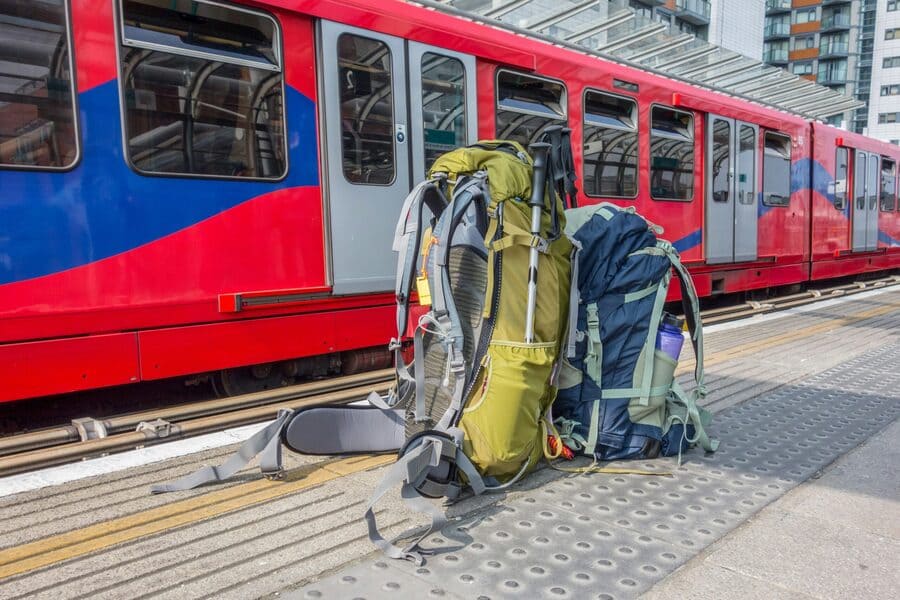
Important Travel Documents
Before packing a single item of clothing, ensure your travel documents are organized and protected.
- Valid passport with at least six months of validity beyond your travel dates
- Bhutan visa (arranged through a licensed tour operator, as independent travel is not permitted)
- Travel insurance documents with medical evacuation coverage
- Printed and digital copies of all hotel confirmations and tour itineraries
- Emergency contact list including your tour operator's local phone number
- A small waterproof document pouch to protect originals from rain or river crossings
Bhutan requires all foreign nationals (except Indian, Bangladeshi, and Maldivian citizens) to enter through a licensed tour operator. Your operator will handle the visa process, but carry printed confirmation at all times.
Money, Cards, and Payment Essentials
Bhutan's currency is the Ngultrum (BTN), which is pegged to the Indian Rupee. ATMs exist in Thimphu and Paro but can be unreliable and often run out of cash.
- Sufficient cash in USD, Euros, or Indian Rupees to exchange on arrival
- A backup credit card for emergencies (Visa is most widely accepted)
- A money belt or hidden travel wallet to secure cash during hikes
- Small denomination bills for tipping guides, drivers, and monastery donations
Electronics and Travel Gadgets
- Universal power adapter (Bhutan uses Type D, F, and G outlets)
- Portable power bank for long hiking days
- Camera with extra memory cards (Bhutan's landscapes are extraordinarily photogenic)
- Headlamp or flashlight with extra batteries for early morning temple visits or power outages
- Noise-canceling earphones for long drives on winding mountain roads
- Offline maps downloaded to your phone before departure, as mobile data is inconsistent
Personal Toiletries and Health Items
Quality toiletries can be difficult to source outside Thimphu. Pack generously.
- High-SPF sunscreen (SPF 50 or above) and lip balm with UV protection
- Altitude sickness medication such as Acetazolamide (Diamox), prescribed by your doctor
- Broad-spectrum antibiotics and an oral rehydration solution
- Insect repellent for lower-altitude and jungle areas
- Hand sanitizer and wet wipes for temple visits and remote trekking
- Personal prescription medications in labeled original packaging
- A compact first-aid kit with bandages, blister pads, and antiseptic cream
Daypack and Travel Accessories
- A 20 to 30-liter daypack for day hikes and temple visits
- Lightweight dry bags or waterproof stuff sacks for electronics and documents
- Reusable shopping bag to reduce plastic waste (Bhutan is an environmental champion)
- Travel padlock for hostel-style accommodations and luggage
- Microfiber towel that dries quickly and takes minimal space
What to Wear in Bhutan Throughout the Year
Understanding what to wear in Bhutan is critical to both comfort and cultural respect. The country's mountainous terrain and Buddhist traditions shape the dress code significantly.
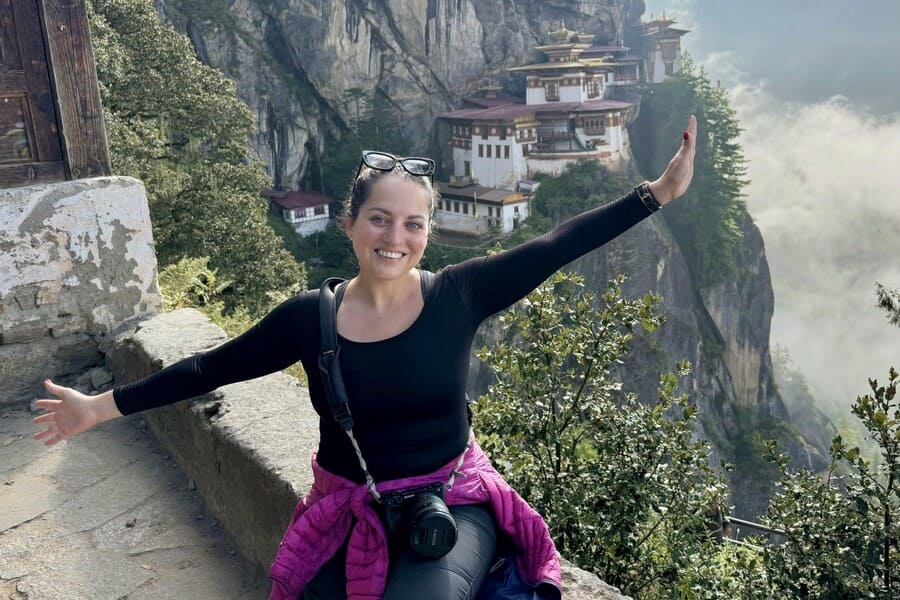
Layering for Bhutan's Mountain Weather
The golden rule of packing for Bhutan is to layer. Because temperatures vary so greatly between morning, afternoon, and evening, and between valleys and ridgelines, a layering system gives you flexibility without bulk.
A solid system includes a moisture-wicking base layer, an insulating mid-layer such as a fleece or down jacket, and a waterproof outer shell. This system works across all seasons and can be adjusted quickly on the trail.
Clothing for Warm Days and Cool Evenings
During spring and autumn, daytime temperatures in the valleys can reach 20 to 25 degrees Celsius, making light clothing comfortable for sightseeing. However, evenings drop sharply, often by 10 to 15 degrees, especially at higher elevations.
Pack lightweight, breathable shirts for the day, paired with a warm fleece or down vest for evenings. Convertible pants that zip off into shorts are a practical choice for travelers who do not want to carry separate wardrobes.
Comfortable Walking and Hiking Outfits
You will walk a great deal in Bhutan, from cobblestone town streets to steep mountain trails. Footwear is among the most important decisions on your travel packing list bhutan preparation.
- Sturdy waterproof hiking boots with ankle support are essential for trekking
- A pair of lightweight walking shoes or trail runners for town visits
- Sandals or slip-on shoes for wearing inside dzongs and homestays
- Moisture-wicking hiking socks, at least four to five pairs
Quick-dry trekking trousers and long-sleeved shirts in neutral colors are ideal for most activities.
Modest Clothing for Temple and Dzong Visits
Bhutan's dzongs and monasteries are active places of worship. Visitors are expected to dress modestly at all times when entering sacred spaces.
Both men and women should cover shoulders and knees. Avoid sleeveless tops, shorts, and short skirts entirely. A lightweight scarf or shawl doubles as a wrap for additional coverage and can be carried easily in a daypack. Women may find a long skirt or loose linen trousers to be the most comfortable and culturally appropriate option for multiple temple visits in a single day.
Packing List for Bhutan by Season
The ideal packing list for bhutan trip planning varies significantly by the time of year you visit. Each season brings distinct conditions.
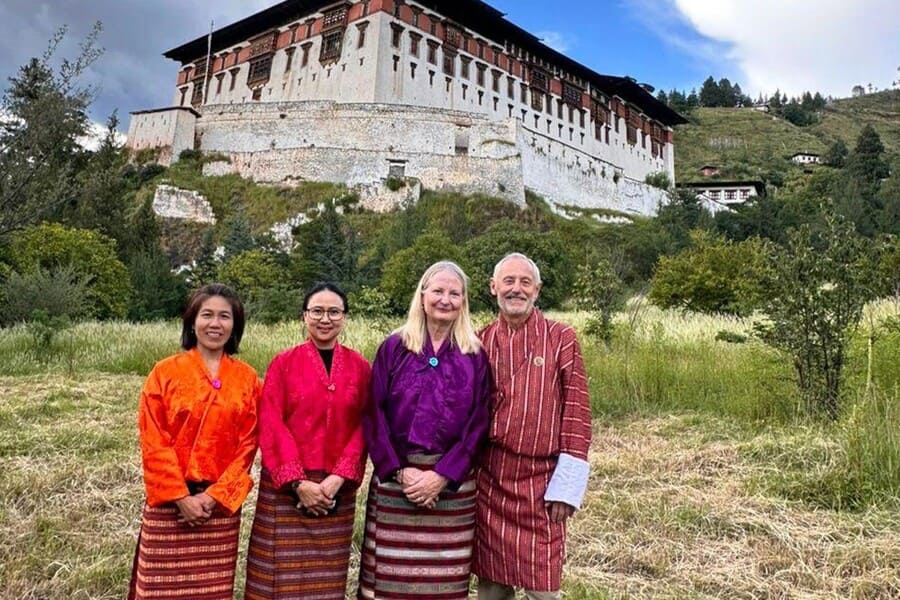
Spring (March to May) Packing Guide
Spring is one of the most popular times to visit, as rhododendrons bloom in vivid color across the hillsides. Temperatures are mild but evenings remain cool.
Essentials include medium-weight layers, waterproof jacket, light gloves, and a sun hat. Rain showers are possible toward late May as the pre-monsoon season begins, so a compact umbrella or rain cover for your pack is advisable.
Summer and Monsoon (June to August) Packing Guide
The monsoon season brings heavy rainfall, especially in central and southern Bhutan. Leeches are active on trails, and paths can become slippery and muddy.
Pack light, quick-dry clothing, a high-quality waterproof jacket with sealed seams, waterproof trail gaiters to prevent leeches from entering your boots, waterproof pack covers, and moisture-wicking socks that dry overnight.
Autumn (September to November) Packing Guide
Autumn offers the clearest skies, the best mountain views, and the most comfortable trekking conditions. This is peak season for both the Thimphu Tshechu festival and high-altitude treks.
Bring warm layers including a down jacket, trekking gear if planning hikes like the Druk Path Trek, gloves and a warm hat for early mornings, and a fleece-lined sleeping bag liner for high-altitude accommodation.
Winter (December to February) Packing Guide
Winter in Bhutan is cold and dry. High mountain passes may close, but lower valleys remain accessible and extremely peaceful, with far fewer tourists.
Essential winter items include a heavy down jacket rated for sub-zero temperatures, thermal base layers top and bottom, insulated waterproof gloves, wool or fleece hat and neck gaiter, and wool socks. Hand warmers are a small luxury worth including.
Travel Packing List Bhutan for Trekking and Outdoor Activities
For those venturing beyond sightseeing into Bhutan's extraordinary trekking routes, a more specialized travel packing list bhutan is required.
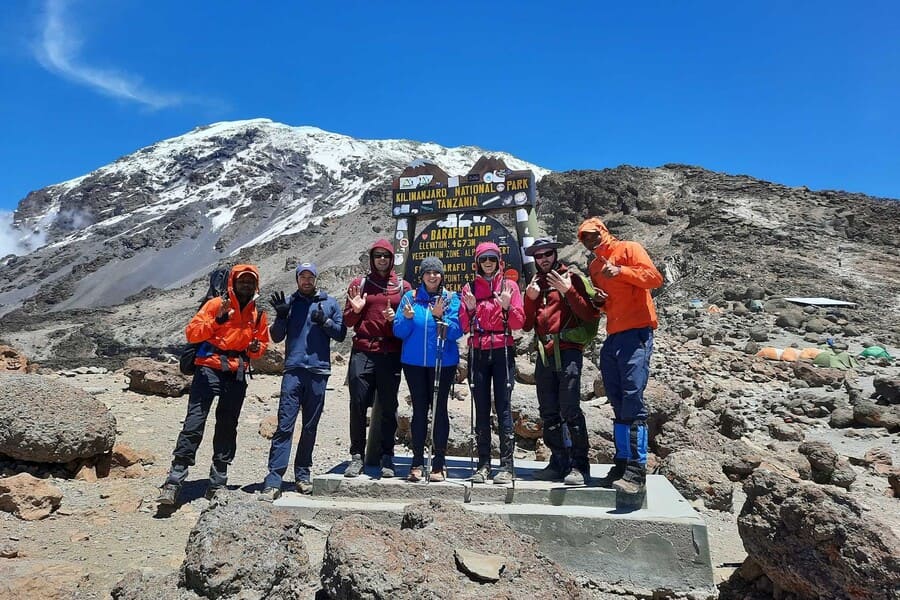
Essential Hiking Gear
- Trekking poles for steep ascents and descents
- Lightweight, breathable hiking trousers
- Gaiters for muddy or snowy trails
- Camp shoes or lightweight sandals for evenings at lodge stops
- Sleeping bag rated for minus five degrees Celsius or lower, depending on your route
Sun Protection for High Altitudes
UV radiation intensifies significantly at high altitudes. At elevations above 3,000 meters, the risk of sunburn is real even on overcast days.
Pack SPF 50 sunscreen, UV-blocking sunglasses, and a wide-brimmed sun hat. Reapply sunscreen every two hours during exposed ridge walks, regardless of cloud cover.
Rain Gear and Waterproof Equipment
- Waterproof jacket with taped seams
- Lightweight waterproof trousers
- Dry bags in multiple sizes for electronics and sleeping gear
- Waterproof pack cover that fits over your trekking backpack
Reusable Water Bottles and Hydration Supplies
Bhutan actively discourages single-use plastic. Carry at least one one-liter reusable water bottle. A UV purification device like a SteriPen or water purification tablets is essential for trekking, where safe tap water is not always available. Electrolyte sachets are useful to prevent dehydration at altitude.
What to Wear in Bhutan When Visiting Temples and Monasteries
No part of the bhutan packing list conversation matters more than dressing appropriately for sacred spaces. This is both a legal expectation and a profound sign of respect.
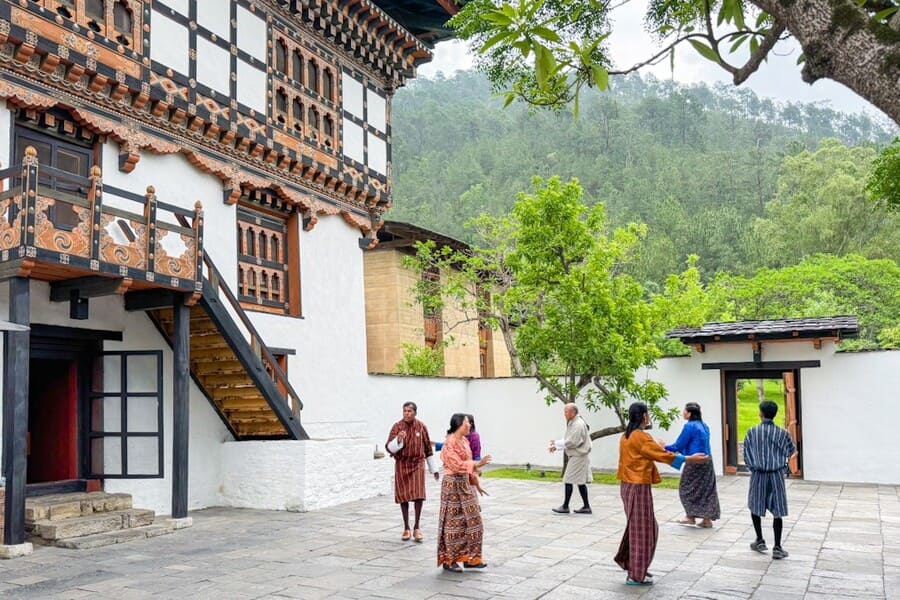
Dress Code for Religious Sites
Long trousers or skirts that fall below the knee are required for both genders. Shoulders must be covered with a sleeved shirt or blouse. Many dzongs also require the removal of footwear before entering inner courtyards, so slip-on shoes save considerable time and effort.
Bright, neon, or patterned clothing is not prohibited but can feel disrespectful in contemplative settings. Neutral tones and understated clothing are culturally considerate choices.
Clothing Items to Avoid
- Shorts or skirts above the knee
- Sleeveless or strapless tops
- Revealing or tight-fitting clothing
- Hats or caps worn inside sacred interiors
A lightweight shawl or sarong is one of the most versatile items on any bhutan packing list and can quickly address dress code requirements on the go.
Respectful Photography Etiquette
Photography rules vary by site. Many interior chapels and sacred statue halls prohibit photography entirely. Always check with your guide before raising your camera. Never photograph monks, nuns, or devotees in prayer without express permission. Drones are not permitted anywhere in Bhutan without special government authorization.
Bhutan Packing List for Families Traveling with Children
Traveling with children adds another dimension to what to wear in Bhutan planning and requires additional preparation.
Essential Items for Young Travelers
- Child-specific altitude sickness plan discussed with your pediatrician before departure
- Children's sunscreen, insect repellent safe for young skin, and moisturizer for dry mountain air
- Comfortable, durable walking shoes with ankle support for uneven terrain
- Lightweight rain jacket and warm layers for unpredictable weather
- Small personal backpack for each child to carry their own water and snacks
Snacks and Entertainment for Long Drives
Bhutan's roads are beautiful but winding, and drives between destinations can last four to six hours or more. Packing dry snacks, energy bars, and familiar treats from home reduces car sickness and keeps energy levels stable. Audiobooks, downloaded shows, and travel games make long mountain drives enjoyable for younger travelers.
Extra Clothing and Weather Protection
Children are more susceptible to weather extremes than adults. Pack at least one extra set of warm layers beyond what you think you need. Wool or thermal tights worn under trousers provide significant warmth without bulk and are easy to layer over or remove as temperatures shift throughout the day.
Things You Should Not Bring to Bhutan
Knowing what to leave at home is just as important as knowing what to pack for this unique destination.
Restricted and Prohibited Items
- Tobacco products: Bhutan has strict anti-tobacco laws. While small quantities for personal use can be brought in, they must be declared at customs and a tax paid. Public smoking is prohibited.
- Drones: Require separate government permits and are heavily regulated.
- Excessive amounts of foreign currency beyond declared limits
- Religious or cultural artifacts without proper documentation of ownership and origin
Overpacking Mistakes to Avoid
Many travelers over-pack for Bhutan and end up struggling with heavy bags on mountain trails and through narrow monastery corridors. Limit yourself to one medium-sized rolling suitcase and one daypack. Clothing items that serve double duty, such as a down vest that works as both a mid-layer and an insulated dinner jacket, are far more valuable than single-purpose garments.
Avoid packing cotton clothing for trekking. Cotton absorbs moisture and dries slowly, increasing the risk of hypothermia in cold or wet conditions. Stick to merino wool and synthetic fabrics for active layers.
Items Easily Available in Bhutan
You do not need to bring large supplies of bottled water, as quality filtered and boiled water is available at most hotels and lodges. Basic cold and headache medications are available at pharmacies in Thimphu and Paro. Light snacks and energy bars can be found in Thimphu's town center. Hotel laundry services are widely available at most mid-range and high-end properties, which means packing seven days of clothing for a two-week trip is perfectly manageable.
A well-prepared bhutan packing list transforms your Himalayan journey from stressful to seamless. Bhutan rewards travelers who arrive with respect, readiness, and a genuine sense of curiosity. Pack thoughtfully, dress mindfully, and you will find yourself fully open to experiencing one of the world's most extraordinary and unspoiled destinations.