
Nestled in the Eastern Himalayas, the Kingdom of Bhutan is more than just a destination for stunning landscapes and dzong fortresses. For those who seek something deeper, Bhutanese Traditional Medicine offers a profound window into one of the world's most intact and living healing traditions. Increasingly, travelers booking bhutan tours are including wellness and traditional medicine experiences as a core part of their journey, drawn by the authenticity and the remarkable continuity of healing knowledge that has survived for over a thousand years. This ancient system, known as Sowa Rigpa, continues to shape how Bhutanese people understand health, disease, and the human body to this day.
What Is Bhutanese Traditional Medicine?
Bhutanese Traditional Medicine is a comprehensive system of healthcare that integrates herbal remedies, dietary therapy, spiritual practice, and physical treatments to maintain and restore health. Unlike Western biomedicine, which focuses primarily on diagnosing and treating disease, Bhutan traditional medicine takes a holistic approach, viewing illness as an imbalance between the body, mind, and the surrounding environment.
This system is formally institutionalized within Bhutan's national healthcare framework. The country's Ministry of Health operates a network of traditional medicine hospitals and outpatient clinics that function alongside modern biomedical facilities. Patients in Bhutan today can choose between conventional medicine and traditional treatments, and practitioners of both often collaborate. This integration is rare in the world and reflects the extraordinary cultural respect Bhutan has maintained for its ancestral knowledge.
Origins and Historical Development of Sowa Rigpa
Sowa Rigpa Bhutan traces its origins to the confluence of Tibetan medical knowledge and indigenous Himalayan healing practices. The term "Sowa Rigpa" translates from Tibetan as "the science of healing" or "the knowledge of healing," and its foundational texts, particularly the Gyushi (Four Tantras), were compiled as early as the 12th century in Tibet, drawing upon earlier Indian Ayurvedic and Chinese medical traditions.
Bhutan adopted and adapted these teachings through the transmission of Buddhist dharma. Influential figures such as Zhabdrung Ngawang Namgyal, who unified Bhutan in the 17th century, helped establish formal institutions for the study and practice of Sowa Rigpa. Royal patronage ensured that the knowledge was preserved in monastic libraries and passed from master to student in an unbroken lineage.
What distinguishes Bhutan traditional medicine from its Tibetan counterpart is the integration of locally available medicinal plants and the influence of Bhutanese Buddhist philosophy. Bhutan's diverse ecological zones, from subtropical foothills to alpine meadows above 4,000 meters, provide an exceptional range of medicinal flora that practitioners have catalogued and used for centuries.
The Role of Traditional Medicine in Bhutanese Society
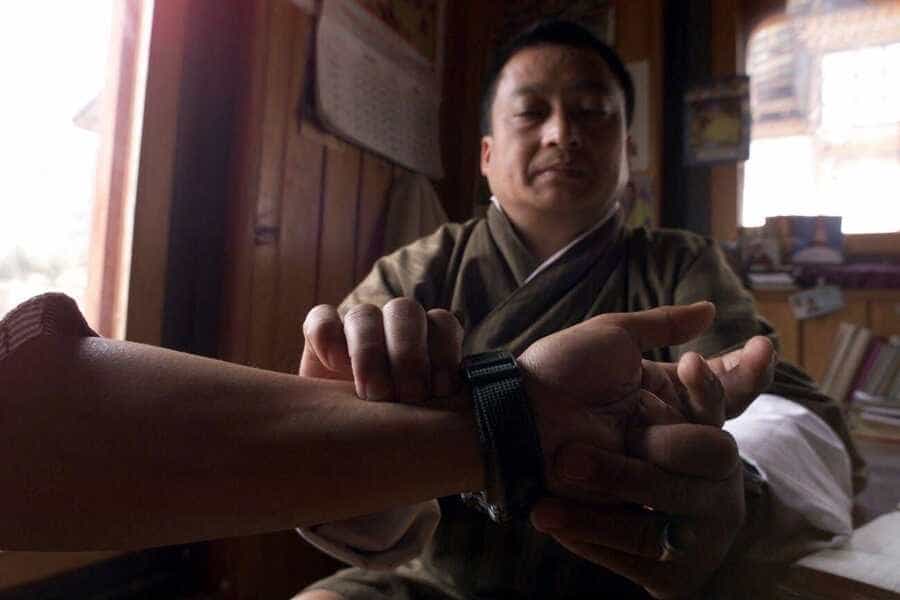
In Bhutanese society, traditional healing Bhutan is not merely a medical practice; it is woven into the cultural, spiritual, and social fabric of everyday life. Many Bhutanese people continue to consult traditional physicians, known as Menjorpa or Drungtsho, for a wide range of conditions, from chronic illnesses to seasonal ailments and mental distress.
The respect for traditional medicine is enshrined at the highest levels of government. Bhutan's Constitution recognizes the need to preserve and promote traditional knowledge, and the Royal Government has invested significantly in training practitioners, standardizing medicines, and conducting research. This institutional support ensures that Bhutan traditional medicine remains accessible not just in urban centers but in remote rural communities where biomedical facilities may be limited.
Understanding Sowa Rigpa Bhutan: The Science of Balance and Healing
The Core Principles of Sowa Rigpa
At the heart of Sowa Rigpa Bhutan is the principle that all phenomena, including the human body, are composed of five cosmic elements: earth, water, fire, wind, and space. These elements interact within the body through a system of dynamic forces that govern physiology, metabolism, and psychological function. Health exists when these forces are in equilibrium; disease arises when balance is disrupted.
This framework differs fundamentally from biomedical anatomy and pathology. A Sowa Rigpa practitioner does not seek a bacterial pathogen or a structural defect as the primary cause of illness. Instead, they investigate what has disturbed the body's natural equilibrium and work to restore it through appropriate diet, behavior, medicines, and therapies.
The Three Humors in Bhutan Traditional Medicine
Central to Bhutan traditional medicine is the concept of the three Nyes-pa, often translated as humors or bodily energies: Lung (wind), Tripa (bile), and Baekan (phlegm). Each humor governs specific physiological functions and is associated with particular elements, emotions, organs, and seasons.
Lung governs movement, circulation, breathing, and the nervous system. Its elemental basis is wind and space, and its imbalance is often linked to anxiety, insomnia, and emotional instability. Tripa is associated with fire and water; it governs digestion, metabolism, and intelligence, and its excess can manifest as fever, inflammation, and anger. Baekan relates to earth and water; it governs body structure, lubrication of joints, and mental stability, and its imbalance may cause sluggishness, congestion, and attachment.
Every individual has a unique constitutional balance of these three humors, which influences their susceptibility to different diseases and their optimal diet and lifestyle. Treatment in Sowa Rigpa Bhutan is always individualized based on this constitutional understanding.
Price of Sowa Rigpa
| Treatment | Budget / Local | Mid-Range Spa | Luxury Resort |
| Consultation | $20–30 | $30–60 | $60+ |
| Ku-Nye Massage | $40/hr | $50–80/hr | $80–120/hr |
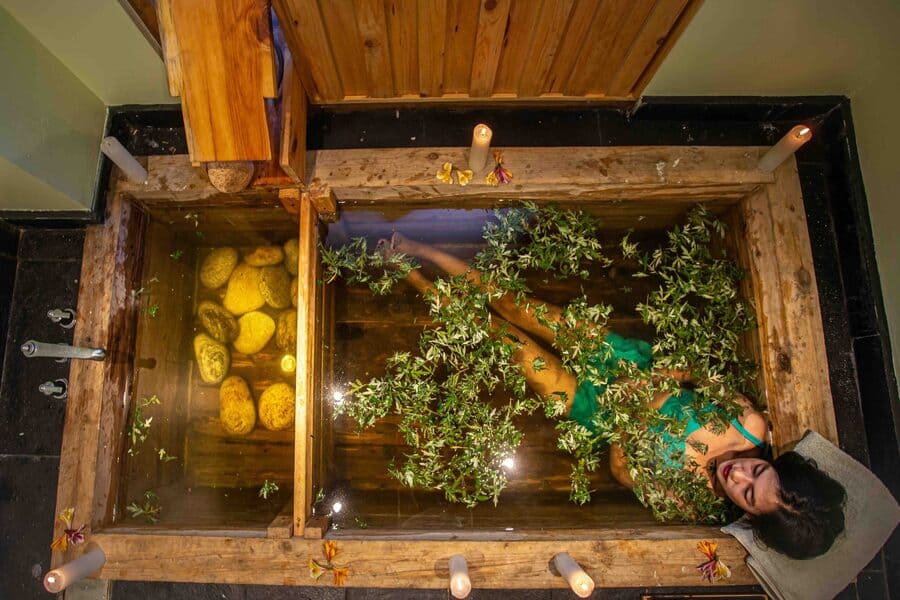
| Hot Stone Bath | $20–40 | $40–80 | $60–120 |
| Herbal Steam | $15–30 | $30–60 | $60+ |
Where To Buy Bhutanese Traditional Medicine?
Travelers interested in taking home Bhutanese herbal medicine products have a trusted and reputable source in the Menjong Sorig Pharmacy, also known as the Traditional Medicine Manufacturing Facility, operated under Bhutan's Ministry of Health. The Menjong Sorig Pharmacy produces a standardized range of traditional medicines, including pills, powders, decoctions, and medicated oils, all prepared according to classical formulations and subject to quality control protocols.
The Menjong Sorig Pharmacy has outlets in Thimphu and other major towns, and its products are widely available at traditional medicine hospitals. Visitors can purchase items for general wellness support, such as immune-boosting formulas, digestive aids, and stress-relief preparations, though it is always advisable to consult a practitioner before using any traditional medicine. Note that some products may require a prescription, and customs regulations of your home country should be checked before purchasing.
Bhutanese Herbal Medicine and Natural Remedies
Common Medicinal Herbs Used in Bhutan
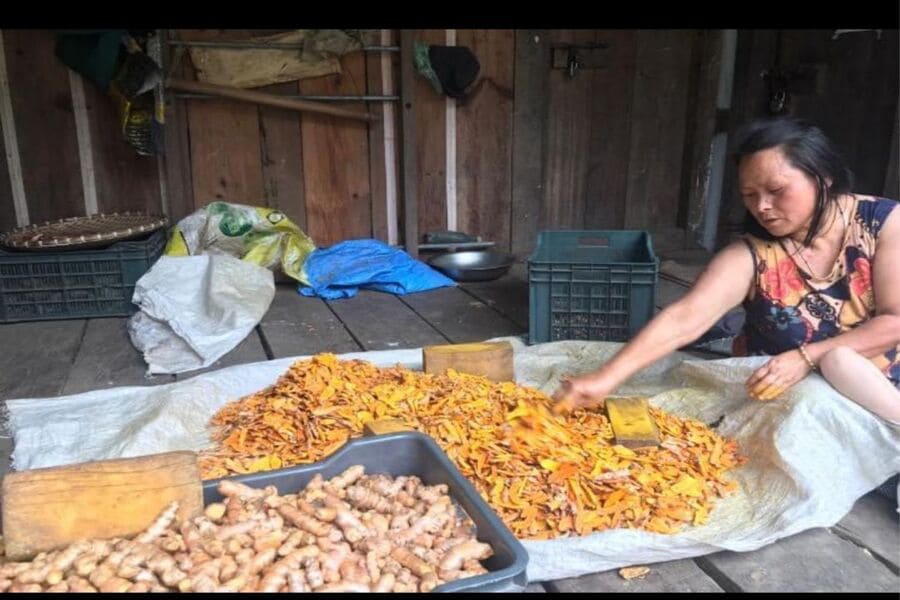
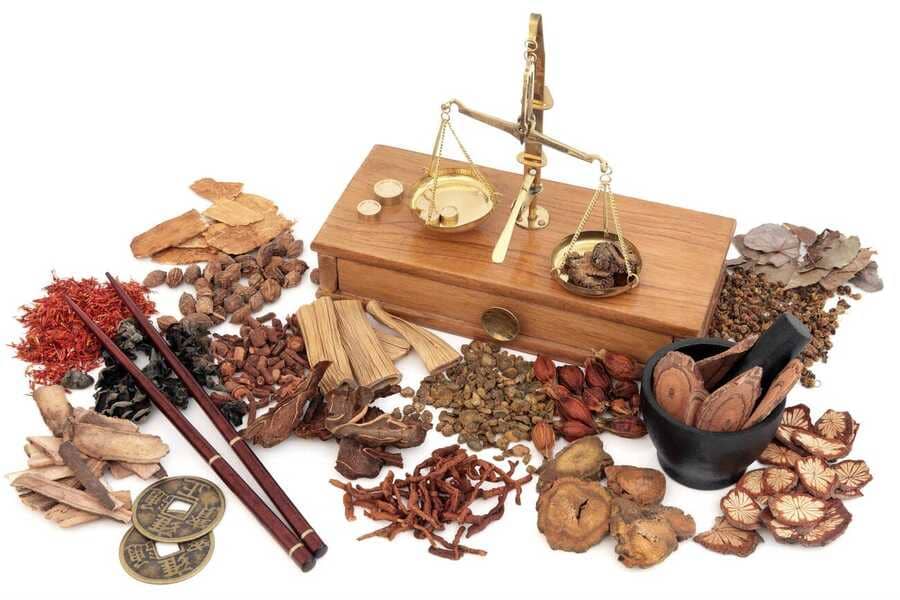
Bhutanese herbal medicine draws on an exceptionally rich botanical pharmacopoeia. Bhutan's position within a global biodiversity hotspot means that practitioners have access to hundreds of plant species with documented medicinal properties.
Among the most widely used herbs is Aru (Terminalia chebula), one of the three fruits in the classical Triphala formula, revered for its detoxifying, digestive, and rejuvenating properties. Baru (Terminalia belerica) and Kyuru (Emblica officinalis) complete this foundational combination, which appears in countless traditional preparations.
Tig-ta (Swertia chirayita), a bitter herb found in Bhutan's alpine zones, is prized for its fever-reducing and liver-protective actions. Ga-dur (Meconopsis betonicifolia), the Himalayan blue poppy that serves as Bhutan's national flower, also has medicinal applications in traditional formulas. Saffron, cardamom, and various species of gentian, aconite (carefully processed to remove toxicity), and rhododendron also feature prominently in the Bhutanese herbal repertoire.
The richness of this botanical diversity is one reason why Bhutanese herbal medicine has attracted growing interest from researchers in ethnobotany and pharmacognosy, who seek to document and study these plant medicines before ecological changes or cultural shifts erode traditional knowledge.
How Herbal Formulas Are Prepared
Traditional medicine preparation in Bhutan follows meticulous classical protocols. Most medicines are compound formulas containing anywhere from a few to several dozen ingredients, each contributing specific therapeutic properties. The Menjong Sorig Pharmacy currently produces over 300 standardized formulations based on these classical recipes.
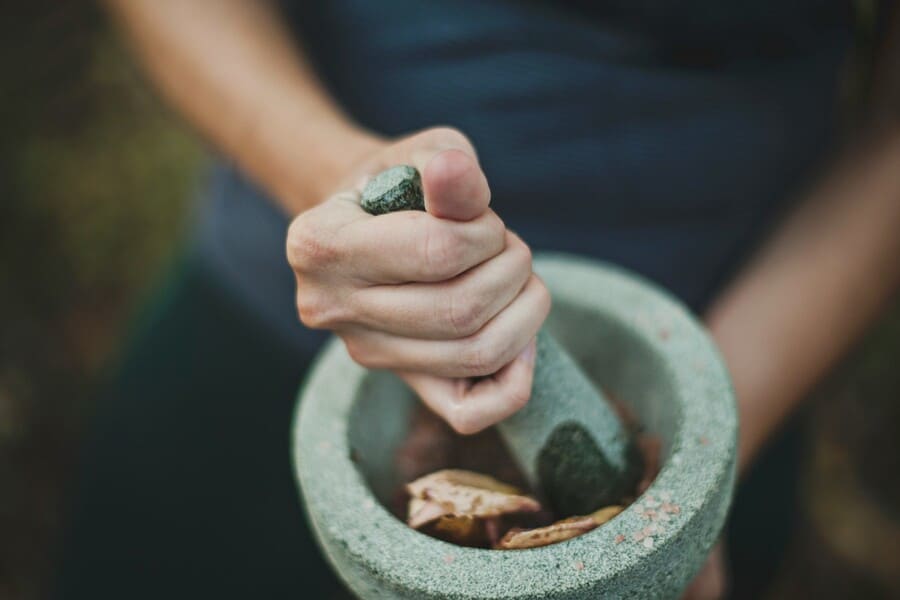
Preparation methods include grinding dried herbs into fine powders, forming them into small pills using natural binders, preparing water decoctions by boiling plant materials, extracting medicinal compounds into butter or oil for topical use, and in some cases calcining minerals at high temperatures. Ritual purification practices and the recitation of prayers or mantras during preparation are considered an integral part of the process, reflecting the inseparability of spiritual and physical healing in the Sowa Rigpa tradition.
Benefits of Bhutanese Herbal Medicine
Bhutanese herbal medicine is used to address an extensive range of conditions, from common seasonal illnesses to complex chronic diseases. Its advocates point to several distinctive strengths of this system.
Holistic and individualized treatment means that two patients with the same Western diagnosis may receive different treatments based on their constitutional type and the root cause of their imbalance. The gentle, gradual action of many herbal preparations makes them suitable for long-term use in managing chronic conditions. The integration of dietary, behavioral, and spiritual counseling alongside herbal treatment means that patients receive comprehensive guidance for lifestyle change, not merely a prescription.
Clinical research on Sowa Rigpa medicines is still at an early stage, but studies conducted by Bhutanese and international researchers have documented promising results for selected formulas in areas including metabolic disorders, inflammatory conditions, and neurological support. The Bhutan wellness sector is increasingly incorporating these traditional remedies into its offerings, making them accessible to a broader international audience.
Traditional Healing Bhutan Practices Beyond Herbal Medicine
Therapeutic Massage and Physical Therapies
Traditional healing Bhutan encompasses a range of hands-on physical therapies in addition to herbal medicine. Ku-Nye massage is among the most widely practiced of these, involving the application of warm medicated butter or oils combined with specific massage techniques to stimulate circulation, release muscular tension, and balance the Lung humor.
Ku-Nye is considered particularly beneficial for conditions related to Lung imbalance, including anxiety, insomnia, joint pain, and general weakness. Sessions typically involve the application of heat through warmed stones or compresses in combination with the massage, and practitioners tailor their technique to the individual's constitutional type and presenting complaint.
Moxibustion, Acupuncture, and Heat Treatments
Bhutanese Traditional Medicine includes several heat-based therapies derived from classical Sowa Rigpa texts. Moxibustion, known in Bhutanese as Me-tsa, involves the burning of compressed medicinal herbs, particularly dried mugwort (Artemisia species), at specific points on the body surface corresponding to classical energy channels. This therapy is used to stimulate circulation, reduce pain, and address cold and damp conditions associated with Baekan imbalance.
Traditional acupuncture (Tsa-Dul) using golden or silver needles at classical channel points is practiced by skilled Drungtsho for conditions including paralysis, neurological disorders, and chronic pain. Horn therapy and cupping, in which a heated vessel creates suction on the skin to draw out stagnant blood and alleviate pain, are also part of the traditional toolkit.
Spiritual and Holistic Healing Approaches
Because Sowa Rigpa Bhutan is deeply rooted in Buddhist cosmology, spiritual practices form an indispensable dimension of healing. Mental and emotional disturbances are understood within a framework that includes the accumulation of negative karma, disturbances by spirits or negative environmental influences, and the fundamental poisons of ignorance, desire, and aversion that are said to underlie all three humors.
Healing practices may therefore include the prescription of specific prayers, meditation practices, or ritual offerings performed by the patient or by a trained Lama. Astrology plays a role in determining auspicious timing for treatment and dietary adjustments. Far from being dismissed as superstition, these practices are viewed by Bhutanese practitioners as addressing dimensions of illness that purely physical treatments cannot reach, and they contribute to the distinctive wholeness of the Bhutan wellness approach.
Frequently Asked Questions About Bhutanese Traditional Medicine
What is Sowa Rigpa Bhutan?
Sowa Rigpa Bhutan is the traditional medical system practiced in Bhutan, rooted in classical Tibetan medicine and adapted over centuries to incorporate local Himalayan healing knowledge and Bhutanese Buddhist philosophy. It is a comprehensive system encompassing herbal medicine, dietary therapy, physical treatments, and spiritual healing, based on the principle that health is a state of balanced interaction between the body's three fundamental humors: Lung, Tripa, and Baekan. In 2018, UNESCO recognized Sowa Rigpa as an Intangible Cultural Heritage of Humanity, acknowledging its cultural significance across the Himalayan region.
Is Bhutanese herbal medicine safe?
Bhutanese herbal medicine, when obtained from reputable sources such as the Menjong Sorig Pharmacy and used under the guidance of a qualified practitioner, is generally considered safe for most people. Classical formulations have been refined over centuries to balance efficacy with safety. However, as with any medical system, certain preparations may be contraindicated for individuals with specific conditions, during pregnancy, or when taken alongside pharmaceutical medications. It is strongly advisable to consult a qualified Drungtsho before beginning any traditional treatment, and to inform both your traditional and biomedical practitioners about all medicines you are taking.
Can tourists experience traditional healing Bhutan treatments?
Yes, traditional healing Bhutan experiences are increasingly available to international visitors, particularly in Thimphu and Paro. The National Traditional Medicine Hospital in Thimphu offers consultations open to foreign patients. Several high-end wellness resorts and retreat centers also offer curated experiences that include Ku-Nye massage, herbal steam baths, and dietary consultations based on Sowa Rigpa principles as part of their Bhutan wellness programming. Visitors interested in a more immersive experience can arrange consultations with traditional physicians and observe medicine preparation processes with the assistance of knowledgeable tour operators.
What is Menjong Sorig Pharmacy known for?
The Menjong Sorig Pharmacy is the national traditional medicine manufacturing facility of Bhutan, operating under the Ministry of Health. It is known for producing over 300 standardized traditional medicine formulations to ensure consistent quality and safety. The pharmacy's name translates roughly as "the pharmacy of Menjong," Menjong being an ancient name for Bhutan meaning "Land of Medicinal Plants." The Menjong Sorig Pharmacy is also recognized for its role in preserving classical formulas, conducting quality testing, and making traditional medicines accessible and affordable to the Bhutanese public. It represents a model of how a national government can institutionalize traditional medicine without sacrificing its integrity.
How does Bhutan wellness differ from other wellness destinations?
Bhutan wellness stands apart from other global wellness destinations primarily because of its authenticity and depth. While many wellness destinations around the world offer adapted or stylized versions of traditional practices for tourist consumption, Bhutan's wellness offerings remain grounded in a living, functioning medical tradition that the local population actively uses for healthcare. Visitors engage with practices that are still meaningful and functional within Bhutanese society, not merely aesthetic experiences. The integration of Bhutanese Traditional Medicine into the national healthcare system, the availability of consultation with trained Drungtsho, and the access to high-quality medicines from the Menjong Sorig Pharmacy give Bhutan wellness a substance and credibility that is genuinely rare. Combined with Bhutan's extraordinary natural environment, its deeply Buddhist culture, and its philosophy of Gross National Happiness, a wellness journey here touches dimensions of human experience that most destinations simply cannot offer.