
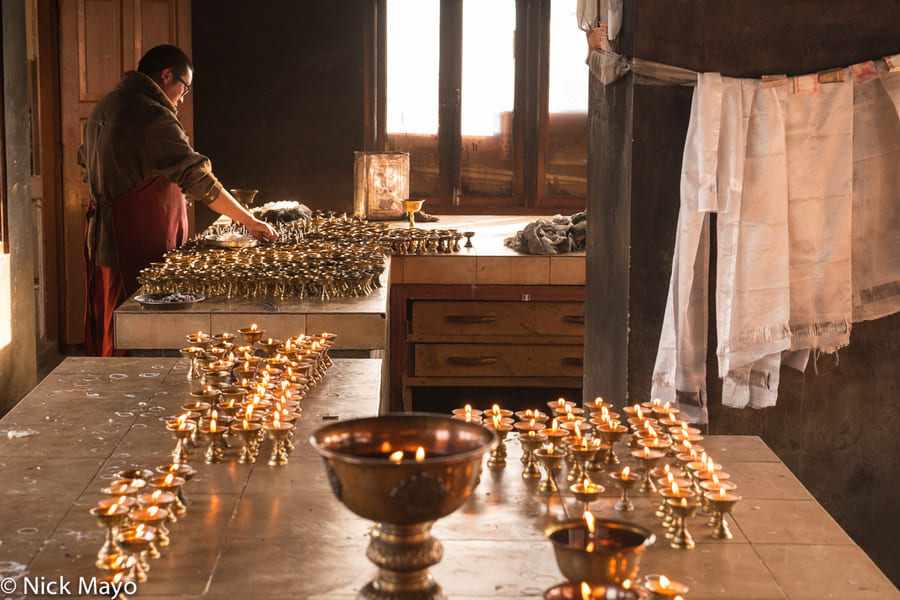
Walk into any monastery across the Tibetan plateau at dusk, and you will notice a soft, flickering glow lining the altars long before you notice anything else. That warm light comes from butter lamps, one of the oldest and most enduring symbols of devotion in Tibetan Buddhism. For travelers planning a pilgrimage through Lhasa, Shigatse, or joining Bhutan tours through the Himalayan foothills, understanding the meaning behind these small vessels of fire adds a profound layer of appreciation to what might otherwise look like a simple decorative object. This article explores the history, materials, uses, and cultural weight of the butter lamp, drawing on documented monastic practice and firsthand observations from travelers who have witnessed these rituals in person.
What Are Butter Lamps?
A butter lamp is a small vessel, traditionally made of metal, filled with clarified butter and fitted with a cotton or cloth wick. Once lit, it produces a steady, warm flame that is placed on altars, shrines, and household prayer tables throughout the Himalayan Buddhist world. In Tibetan, the offering is known as mar me, which translates roughly to "butter light," and it represents one of the most common and cherished forms of devotional offering in the region.
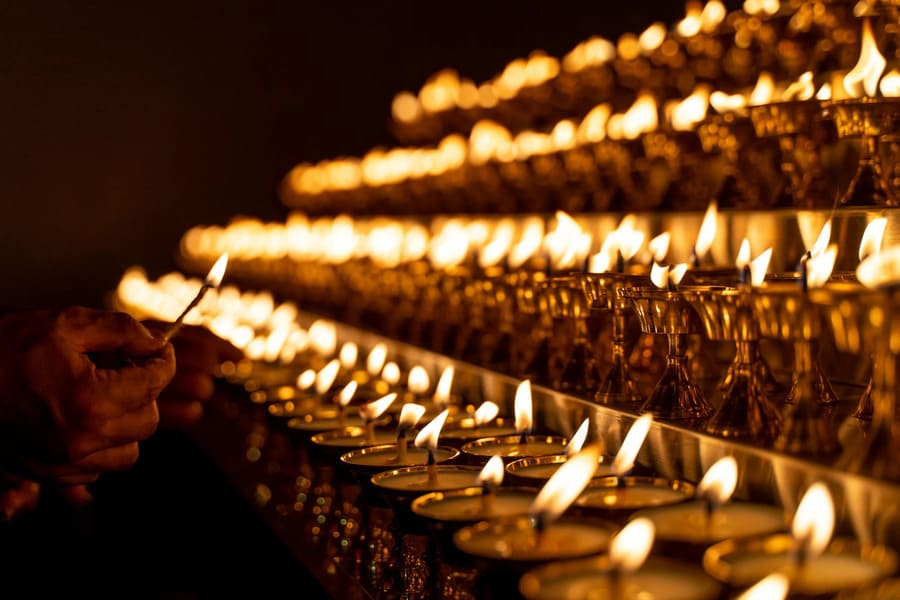
Unlike ordinary candles, the butter lamp tibetan communities use is not simply about illumination. It carries deep symbolic weight, representing the dispelling of ignorance and the presence of wisdom. Pilgrims often light dozens, sometimes hundreds, of these lamps in a single visit to a monastery, each one representing a personal prayer, wish, or dedication to a loved one.
For first-time visitors, the sight of an entire hall glowing with rows of these small flames is unforgettable. The scent of warm butter mixed with juniper incense, the low hum of monks chanting, and the flicker of hundreds of tiny flames create an atmosphere that photographs simply cannot capture.
The History of Butter Lamps
The practice of offering light traces back to the earliest days of Buddhism in India, where oil lamps were used as offerings to representations of the Buddha. As Buddhism spread into Tibet during the 7th and 8th centuries, local conditions shaped the tradition into something distinct. Vegetable oils were scarce at high altitude, while yak butter was abundant, durable in cold climates, and slow-burning. Monasteries adapted the original oil-lamp offering into what became the now-iconic tibetan butter lamp.
Historical records and monastic chronicles suggest that by the time major institutions such as Jokhang Temple and Sera Monastery were established in Lhasa, butter lamp offerings were already a standardized part of daily ritual. Scholars of Tibetan Buddhism note that the offering of light is considered one of the seven traditional offerings, alongside water, flowers, incense, food, and music, each symbolizing a different sensory gift to enlightened beings.
Over centuries, the practice spread beyond Tibet into Bhutan, Nepal, Sikkim, and Mongolia, carried by traveling monks and pilgrims. Today, butter lamps tibet monasteries maintain are considered some of the most authentic surviving examples of this centuries-old devotional practice, and many travelers specifically seek out these sites to witness the ritual firsthand.
What Is a Tibetan Butter Lamp Made Of?
Traditional Yak Butter
In its most authentic form, a butter lamp is filled with clarified yak butter. Yak butter has a higher melting point than cow butter, which makes it well suited to the cold temperatures of the Tibetan plateau, where elevations often exceed 3,500 meters. The butter is melted slightly before pouring, then allowed to solidify around a standing wick.
Travelers who have visited working monasteries often describe watching monks or lay volunteers refill hundreds of lamps each morning, a task that requires both patience and practiced technique. The butter must be heated just enough to pour smoothly without becoming too thin, and the wick must be centered precisely so the flame burns evenly.
Modern Butter Lamp Alternatives
As monasteries have grown in size and tourism has increased foot traffic, many temples have shifted toward more practical alternatives. Vegetable oil, paraffin, or specially formulated butter lamp oil is now commonly used in place of pure yak butter, particularly in smaller household shrines or in regions where yak butter is expensive or difficult to source. These alternatives burn cleaner and are more affordable for daily use, while still preserving the visual and ritual character of the offering.
The Structure of a Traditional Butter Lamp
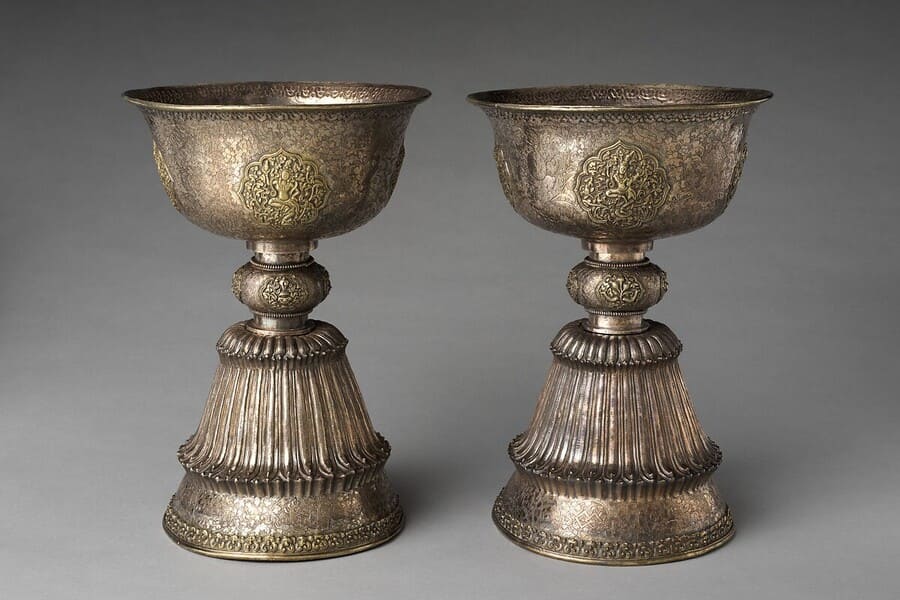
A classic lamp consists of three parts: a base bowl, usually made of brass, silver, or copper; a wick holder, often a small metal rod positioned at the center; and the wick itself, typically twisted cotton thread. Larger ceremonial lamps found in major temples may be crafted from gold-plated metal and elaborately engraved, reflecting the wealth and devotion of the monastery or the donor who commissioned them. Smaller portable versions are common in household altars, allowing families to practice the same offering ritual within their own homes.
How Are Butter Lamps Used in Tibetan Buddhist Practice?
Daily Prayer and Meditation
For many Tibetan Buddhist practitioners, lighting a lamp is a daily act of devotion performed before morning prayers or meditation. The lighting of the flame is meant to symbolize the illumination of the mind, a physical reminder to cultivate clarity, compassion, and awareness throughout the day. Household altars typically feature at least small butter lamps, refreshed regularly with fresh butter or oil.
Temple Offerings and Religious Ceremonies
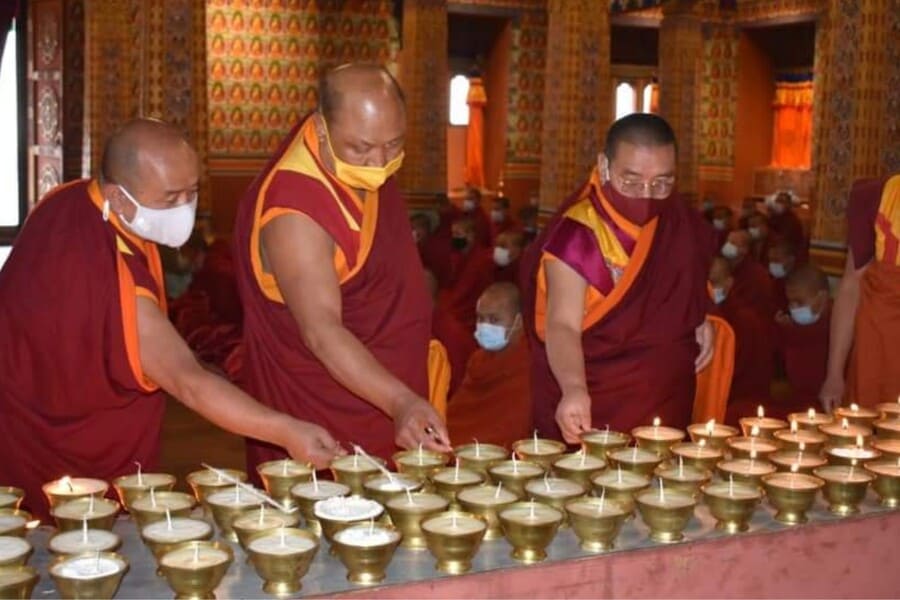
Inside major monasteries, dedicated butter lamp halls hold rows upon rows of lamps burning simultaneously. Visitors are often permitted, and even encouraged, to contribute a small donation toward butter or oil in exchange for lighting a lamp themselves. This is one of the most accessible ways for travelers to participate directly in Tibetan Buddhist practice rather than simply observing it. Monks typically oversee these halls to ensure the flames are maintained safely and continuously.
Butter Lamps During Buddhist Festivals
During major festivals such as Losar, the Tibetan New Year, and Monlam, the Great Prayer Festival, the number of lamps lit across monasteries multiplies dramatically. Entire courtyards can glow with thousands of flames during these events. One of the most striking traditions occurs on the fifteenth day of the first lunar month, when elaborate butter sculptures, intricately carved figures made from colored butter, are displayed alongside lit lamps in a festival known as Butter Lamp Festival or Chunga Choshi. This event, historically centered around Kumbum Monastery and other major sites, draws both pilgrims and travelers eager to witness the artistry and devotion involved.
Types of Butter Lamps
Conventional Tibetan Butter Lamp
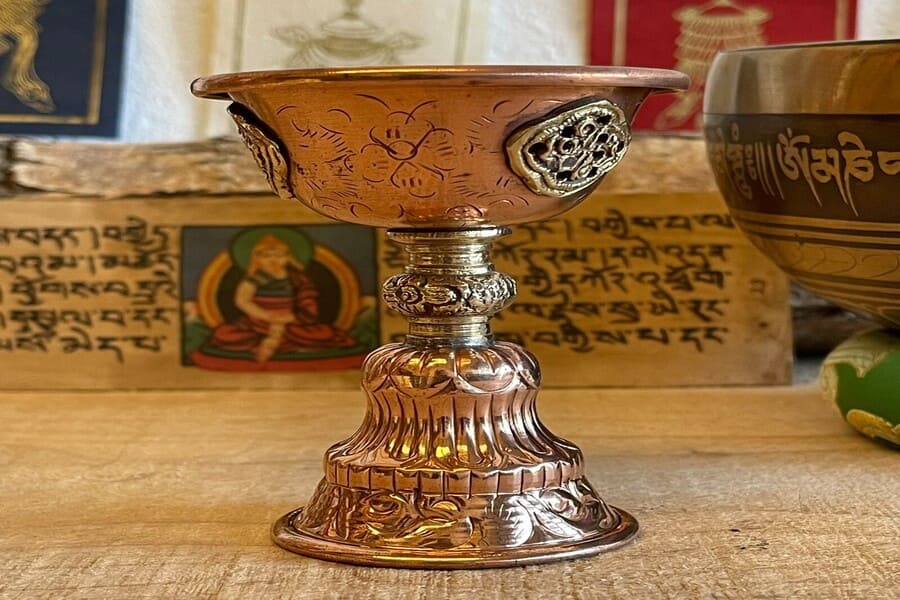
The traditional style remains the most commonly used in monasteries and homes throughout the region. Made from metal and filled with butter or oil, it requires regular maintenance, refilling, and wick replacement, but it is considered the most spiritually authentic form of the offering by practicing Buddhists.
Electric Butter Lamp in Tibetan
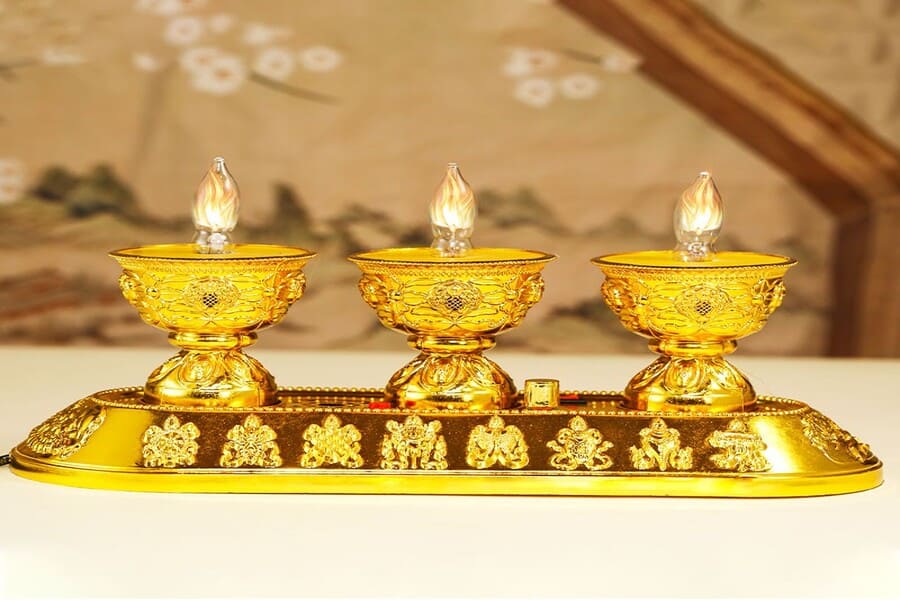
In recent decades, an electric butter lamp in tibetan homes and even some temples has become increasingly common, particularly in areas with strict fire safety regulations or limited ventilation. These battery or plug-powered versions mimic the flickering glow of a real flame using small LED bulbs. While purists argue that electric versions lack the same symbolic weight as a genuine flame, they offer a practical solution for apartment dwellers, tourists bringing home a souvenir, or temples managing fire risk in older wooden structures.
Decorative Tibetan Butter Lamps
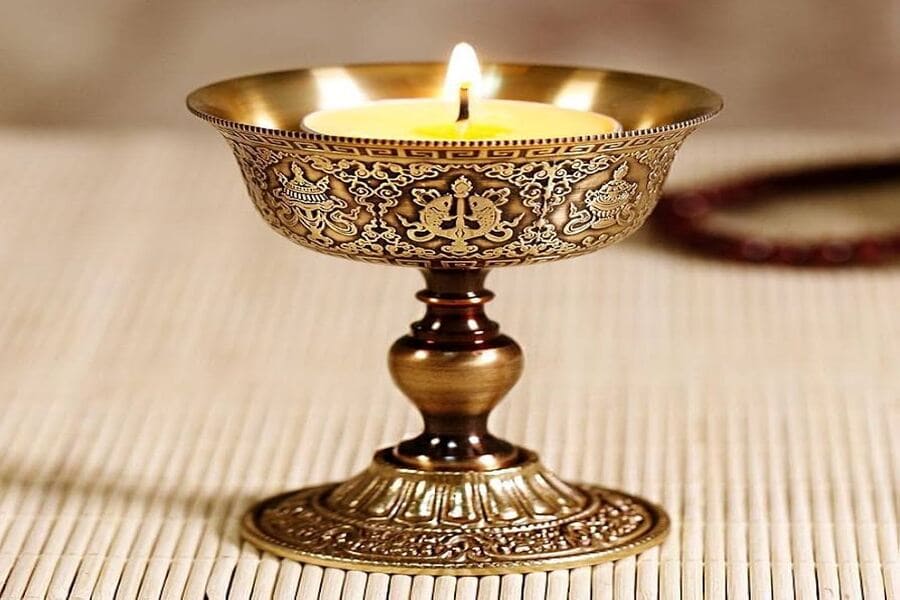
Beyond religious use, decorative Tibetan butter lamps have become popular among travelers and interior design enthusiasts drawn to their intricate metalwork and cultural significance. These are often crafted by artisans in Lhasa, Kathmandu, or Bhutanese workshops, featuring traditional engravings such as lotus flowers, endless knots, or the eight auspicious symbols. While not intended for actual butter or flame use in most cases, they serve as meaningful keepsakes that reflect the aesthetic of the original ritual object.
Frequently Asked Questions About Butter Lamps
What is a butter lamp?
A butter lamp is a small vessel filled with clarified butter or oil and fitted with a wick, used as a devotional offering in Tibetan Buddhism to symbolize the dispelling of ignorance through wisdom and compassion.
What is a Tibetan butter lamp?
Tibetan butter lamps specifically refer to the version used within Tibetan Buddhist practice, traditionally filled with yak butter due to its availability and suitability for cold, high-altitude climates. It is offered in temples, monasteries, and household shrines as an act of devotion.
Why are butter lamps important in Buddhism?
Butter lamps are one of the seven traditional offerings in Buddhist practice. The light represents the illumination of wisdom overcoming the darkness of ignorance, making it a powerful symbol used daily in prayer, meditation, and ceremonial rituals.
Are butter lamps always made from yak butter?
No. While yak butter is the traditional material due to its high melting point and availability in the Himalayan region, many modern lamps now use vegetable oil, paraffin, or specially formulated lamp fuel, particularly in areas where yak butter is costly or scarce.
Can tourists light a butter lamp?
Yes. Most monasteries welcome visitors to make a small donation in exchange for lighting a lamp themselves. This is considered a respectful and meaningful way for travelers to engage directly with Tibetan Buddhist tradition, provided they follow any guidance offered by resident monks regarding placement and safety.
Where can I see butter lamps in Tibet and Bhutan?
Major sites include Jokhang Temple and Sera Monastery in Lhasa, Tashilhunpo Monastery in Shigatse, and Kumbum Monastery, particularly during the annual Butter Lamps Festival. In Bhutan, monasteries such as Paro Taktsang and Punakha Dzong also maintain active butter lamp offerings, and many travelers include these stops as part of broader Bhutan tours exploring the country's monastic heritage.
Whether encountered in a quiet village shrine or a grand monastic hall filled with thousands of flickering flames, the butter lamp remains one of the most visually striking and spiritually significant symbols travelers will encounter throughout the Himalayan Buddhist world. For anyone planning a journey through Tibet, Bhutan, or Nepal, taking the time to understand this tradition, and perhaps lighting a lamp of one's own, offers a genuine connection to centuries of unbroken devotional practice.