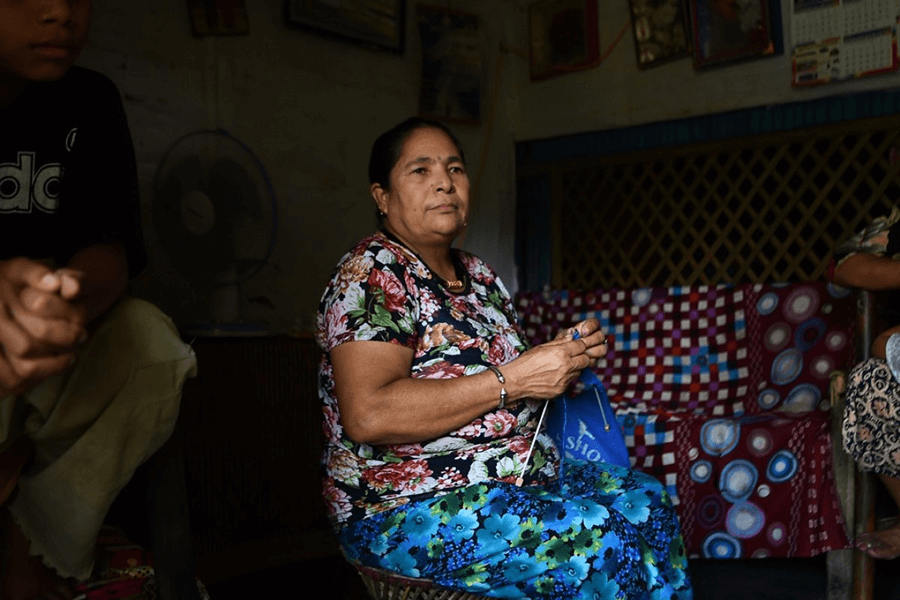
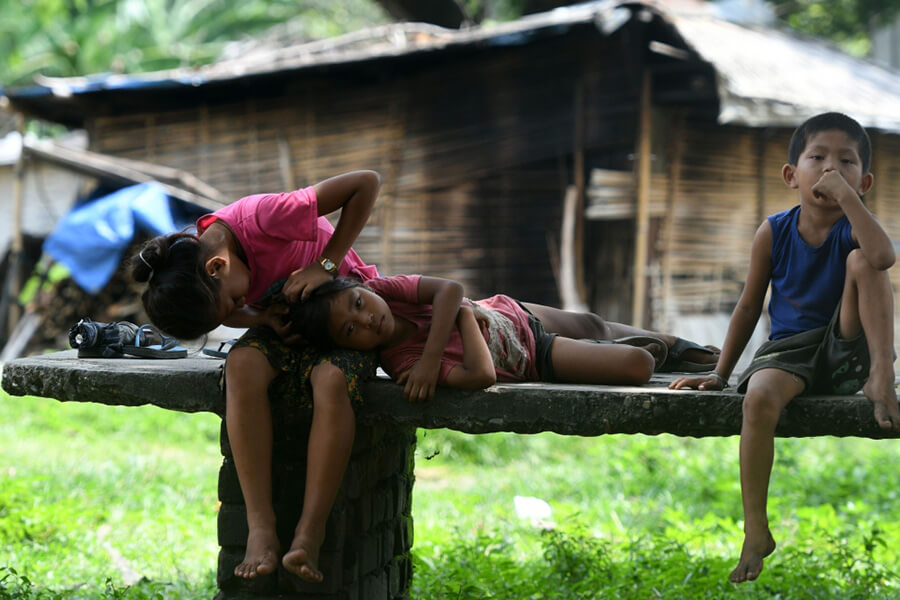
Apart from the Ngalop and Sharchop, the Lhotshampa ethnic group is one of the main ethnic groups of Bhutan, with origins tracing back to Nepalese migrants who settled in Bhutan from the late 18th century. Although the Lhotshampas have lived in Bhutan for up to five generations, they have continued to maintain their Nepali language, customs, religion, and cultural traditions. If you are planning a trip to Bhutan, choosing the right Bhutan trip package can help you better understand the country’s ethnic diversity, including communities such as the Lhotshampa. Keep scrolling for useful information to enrich your knowledge before getting ready to travel to the country.
Lhotshampas Population & Language
According to the statistic in 1980, the Bhutan government estimated that the Lhotshampa group occupied 28% of the Bhutan population. However, as an unofficial statistic showed the number was much higher up to 40%.
Most Lhotshampas speak Nepali and learn Nepali at school as their first language. However, since there was a conflict between Nepali and Bhutanese, the Dzongkha has replaced Nepali at school as the main subject for people.
Lhotshampas Agriculture
Like the vast majority of citizens in Bhutan, the Lhotshampas work in the agriculture sector focusing on planting and breeding cattle. Staple crops include lentils, rice, soybeans, and sugar cane. Farming cattle including buffalo, goats, and cows.
Lhotshampas Religion
Lhotshampas mainly practice Hinduism with the worship of three gods Shiva the creator and destroyer of the universe, Vishnu the preserver of the universe, and Brahma the creator of the universe. It also affects people's diets in that they abstain from beef.
Lhotshampas Family and Culture
The family is the highest priority of the Lhtshampa people. Normally, a Lhotshampa family consists of 6 to 8 children. People remain their close-knit relationships with each other in their community. Hence, doors are always opened so neighbors are free to enter the other’s house. The old people play the role of commanding the deep respect of the youth. Within the family, they also set a certain rule for the daughter-in-law, as the traditional custom, the new bride should prepare the meals and take care of the mother-in-law by massaging her legs every evening. However, along with social development, the custom has faded with the transition of people to other places.